Surface subdivision
While discussing the monolithic extraction of large columns, Adam (2005, p. 220) refers “the possibility to produce in theory an almost unlimited freestanding vertical support by superimposing elements on top of one another” by using stone drums. This strategy, although less monumental than a monolithic colum, is exponentially more economic regarding extraction, transportation, fabrication and assembly. If on one hand it seems only natural and logic the division of a vertical column into smaller drums, the strategy for achieving a subdivision in a spanning roof element is not so obvious. In Antequera, Spain, this architecture innovation can be observed from two neolithic monuments separated by 2000 years and within a 1600m distance. The Dolmen of Menga corridor and roof is built with monolithic gigantic stone slabs, while the Tholos of El Romeral uses small stones in masonry walls and a corbelled beehive dome.
Following this rationale, although a curved vaulted structure could theoretically be built from one large block of stone – much like a sculpture is carved from one large block of marble – its division into smaller parts is one of the defining characteristics of stereotomy, the art of cutting stone. This signifier deals with the design of the subdivision of the stereotomic surface – be it the intrados, extrados or thrust surface – which will cater to the subdivision of the structure volume into geometrically defined voussoirs.
The division of the surface is characterised by the curves which conform the regions between them. The design of these curves may have reasons related to the intrinsic shape of the surface itself, or it can lend to other criteria, external to the underlying surface.
The geometric strategy to obtain the division curves may be taken in one or more steps. In the first case, there is only one criteria that defines the whole, while in the second case each step may conform to different criteria, resulting in a multi-level division. These two cases are the following sub-signifiers.
Works featuring this facet:
-
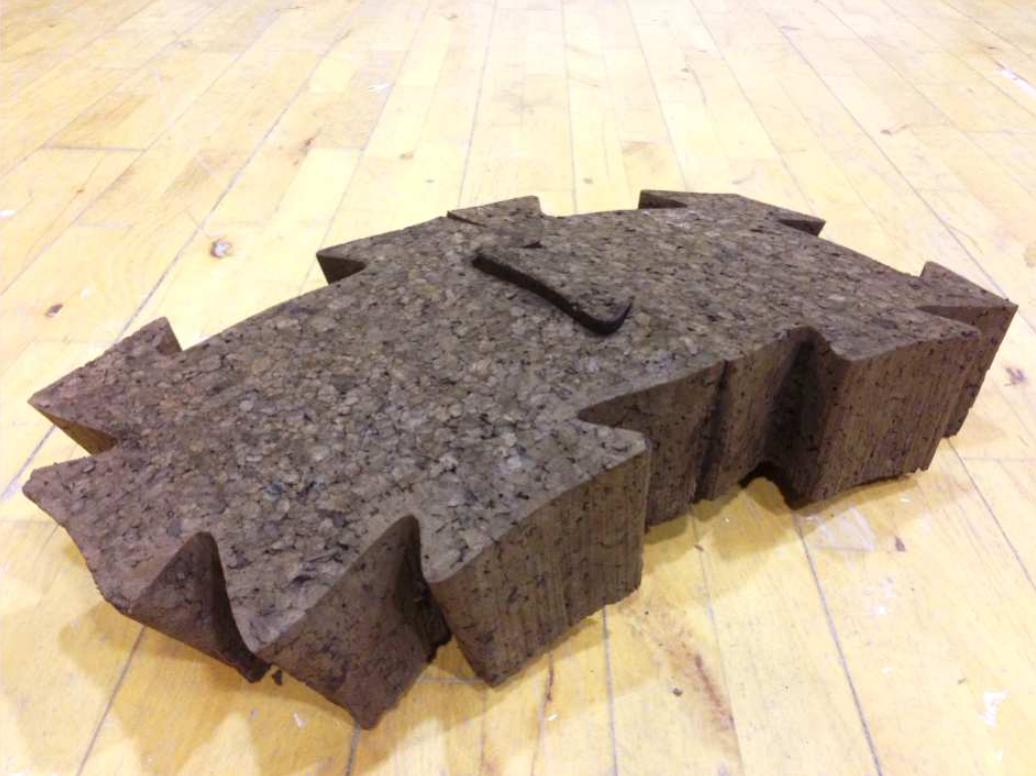
Puzzle Joints
-
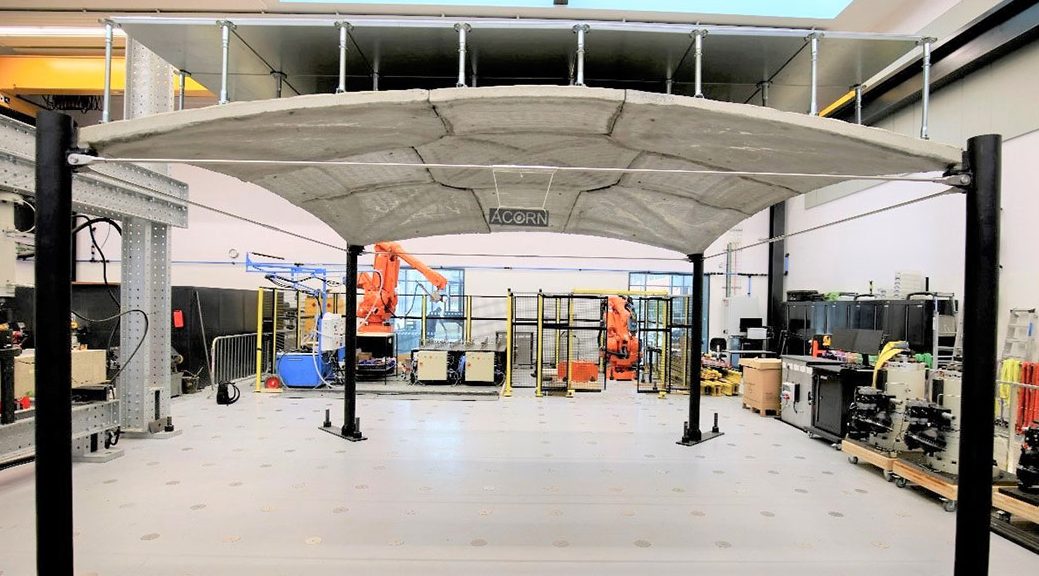
ACORN
-
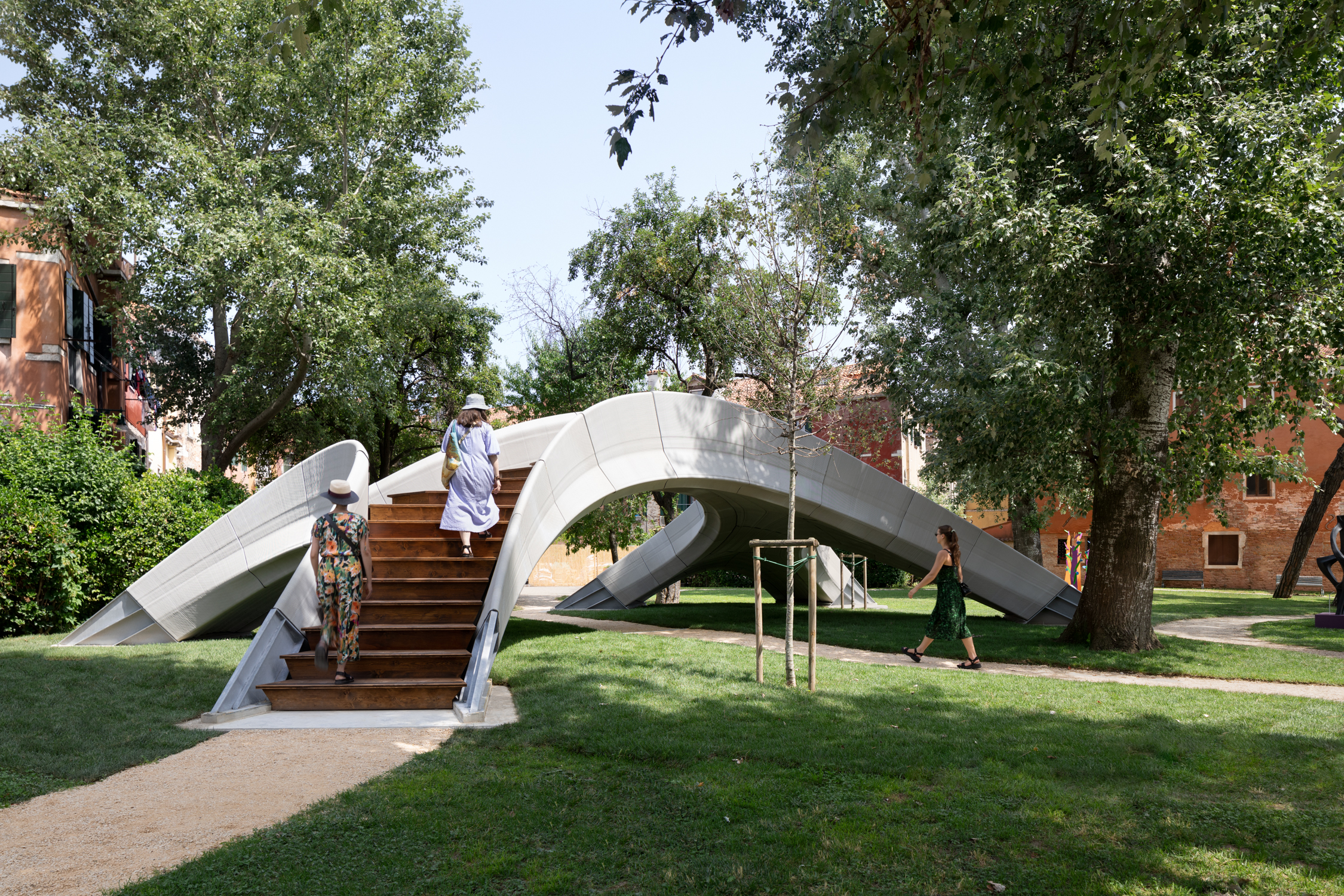
Striatus Bridge
-

Armadillo Vault
-
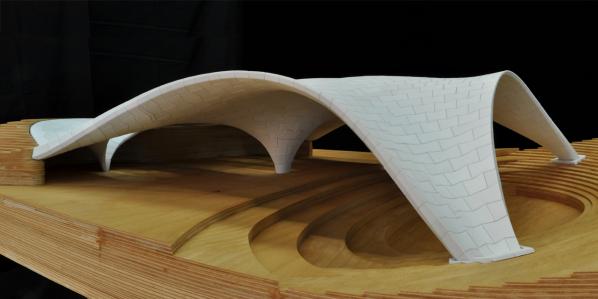
MLK Jr. Park Stone Vault
-
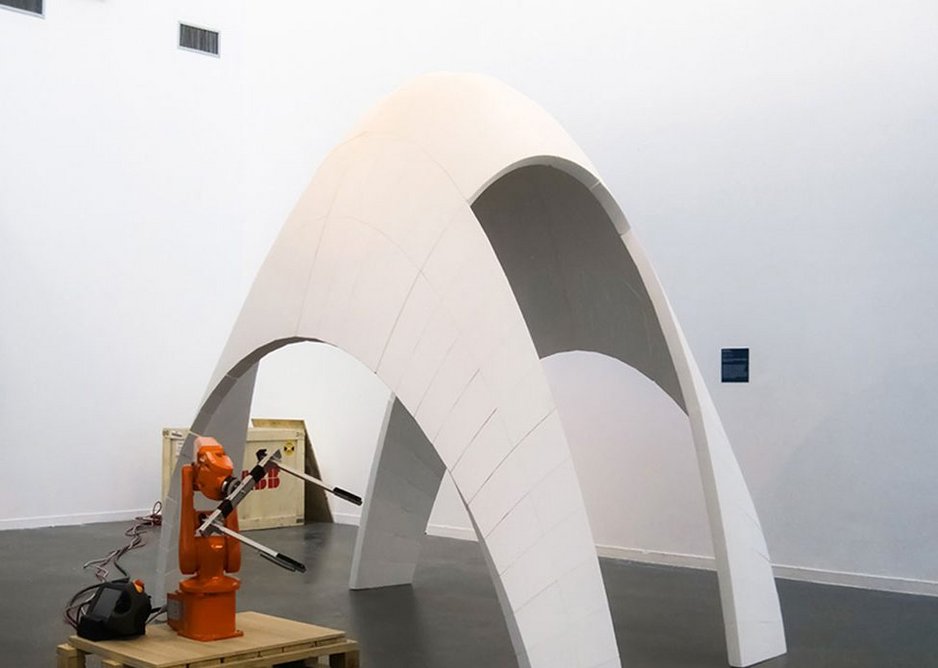
Automated FoamDome
-
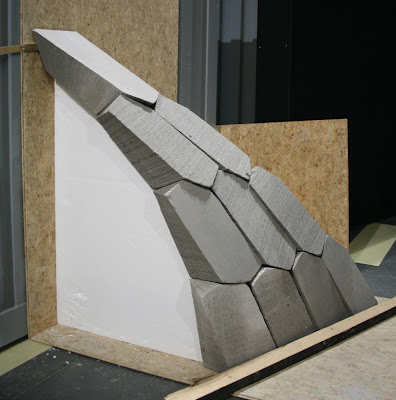
Diamond Wire Stone Cutting
-
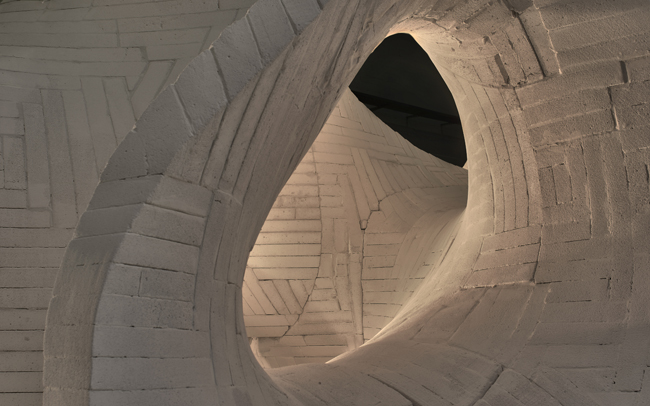
Brickolage
-
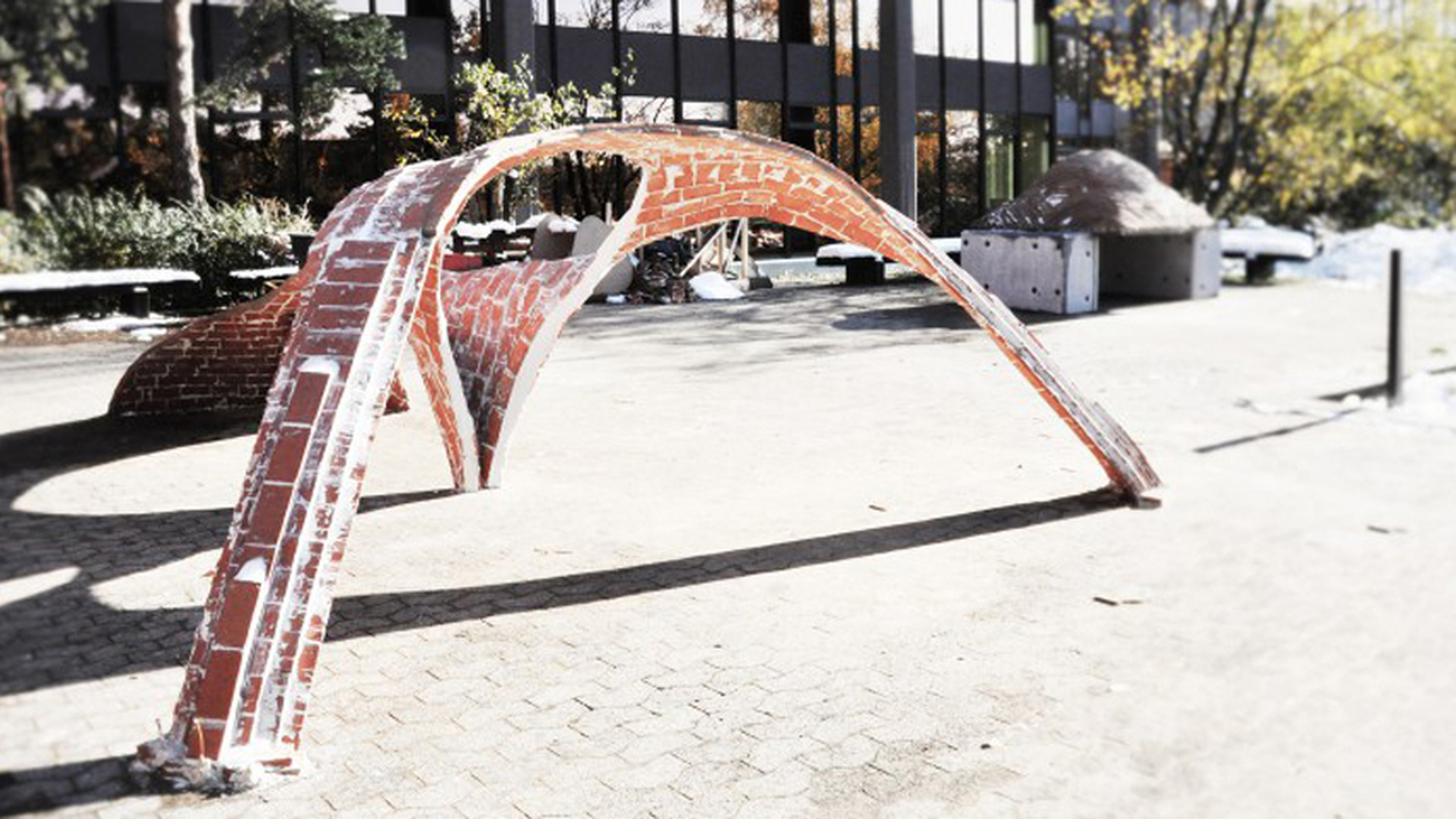
Brickworks: Masonry vaulting
-
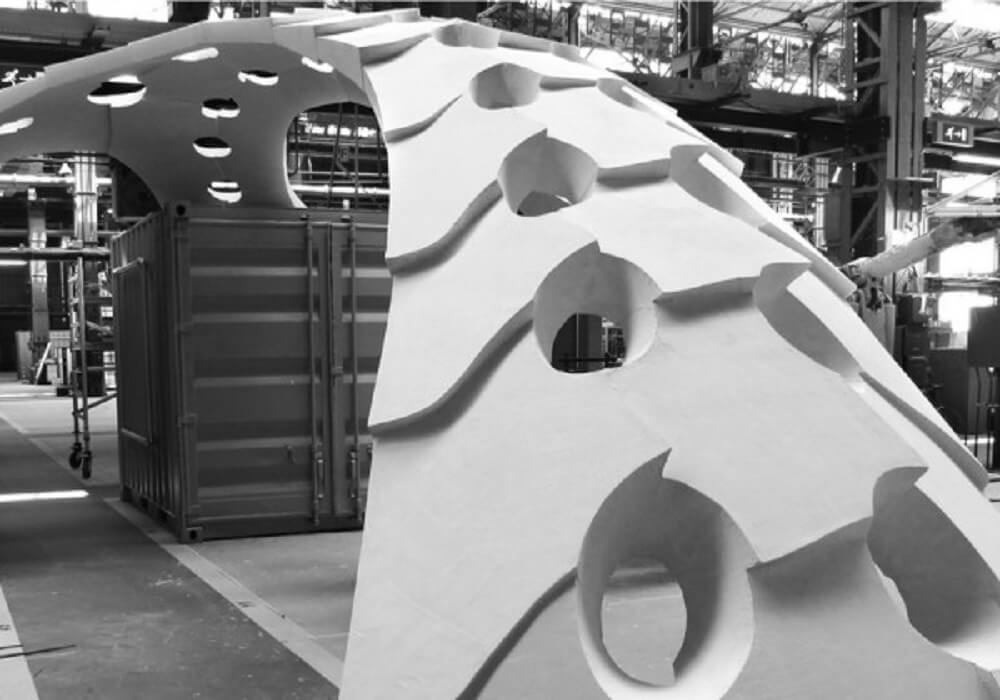
MSC2 Hyperbody
-
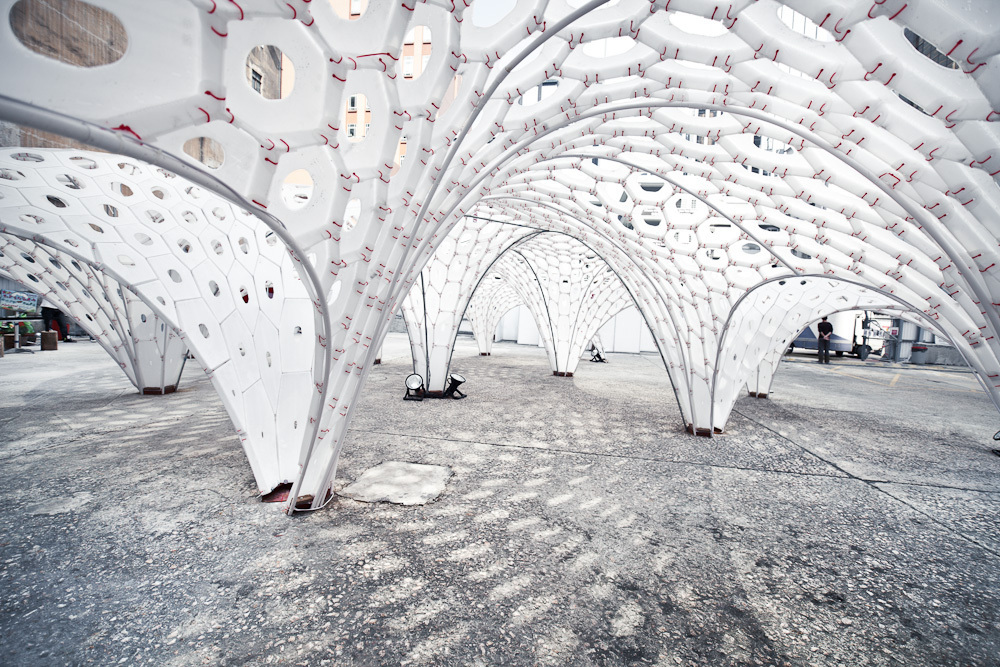
Shellstar Pavilion
-

Bóveda del Milenio
-
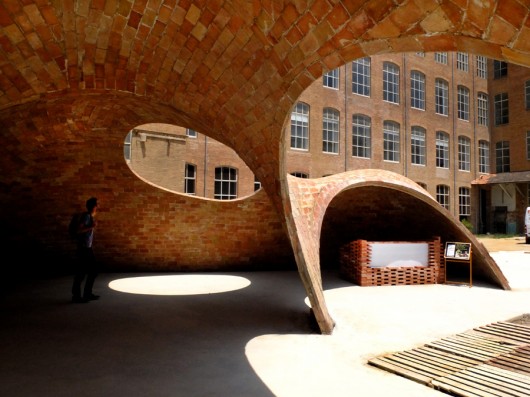
Bricktopia
-
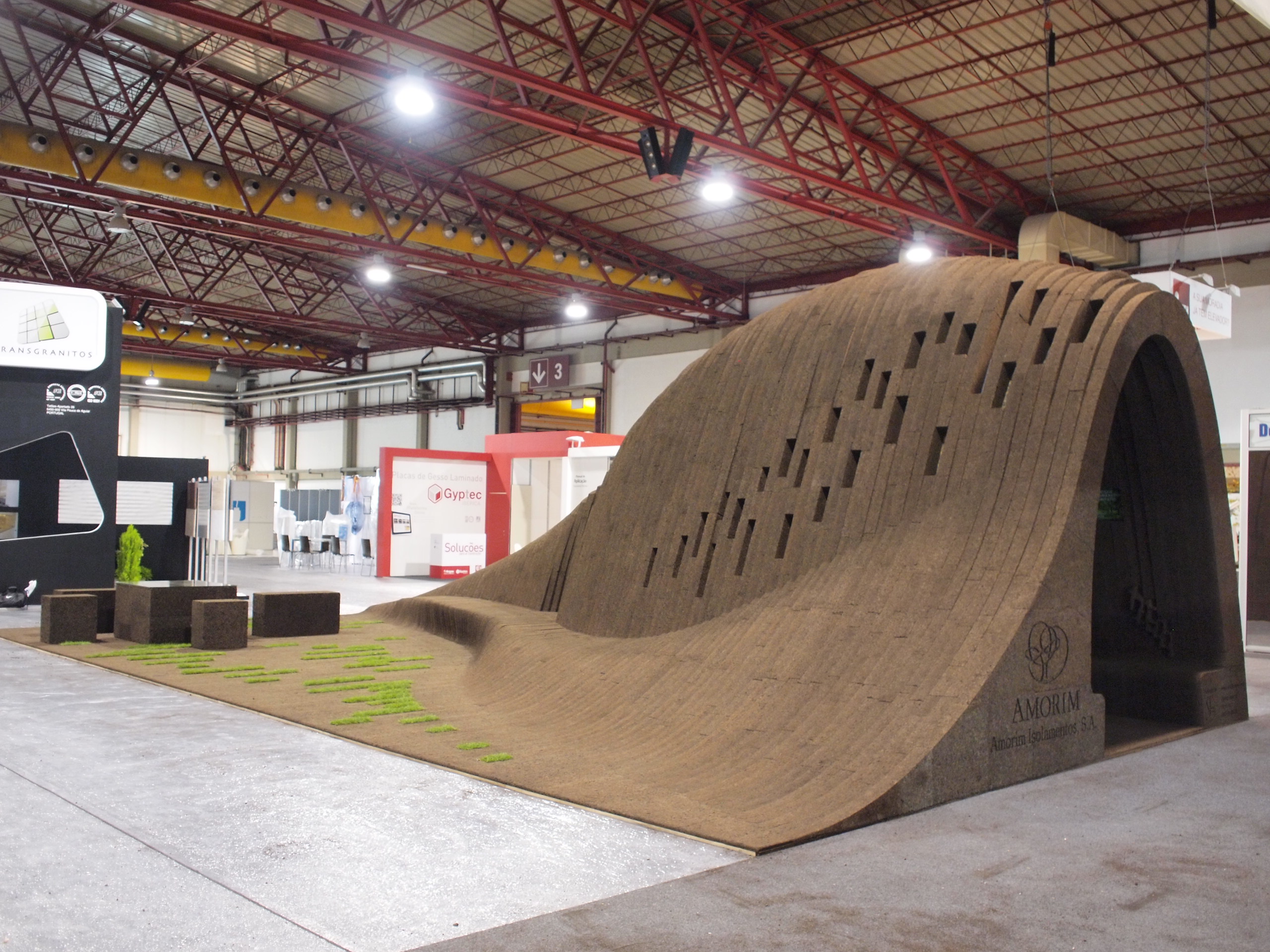
Cork vault Pavillion (Amorim)
-
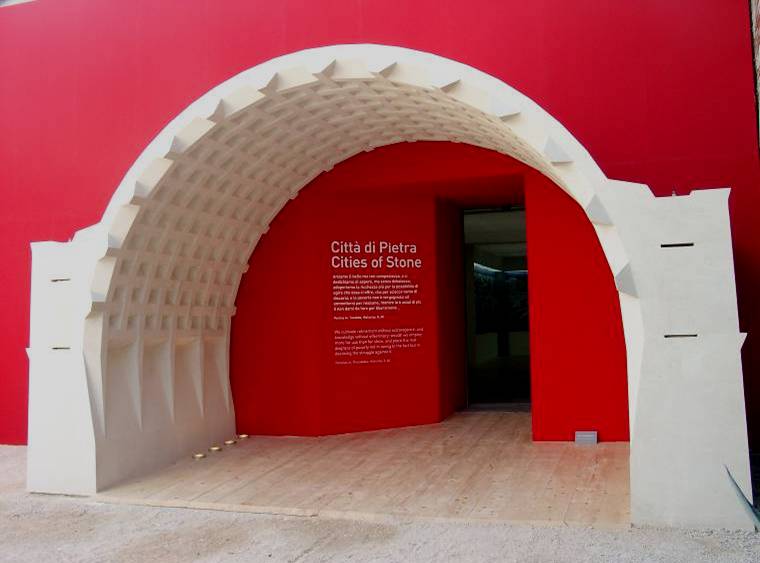
Portale Abeille
-
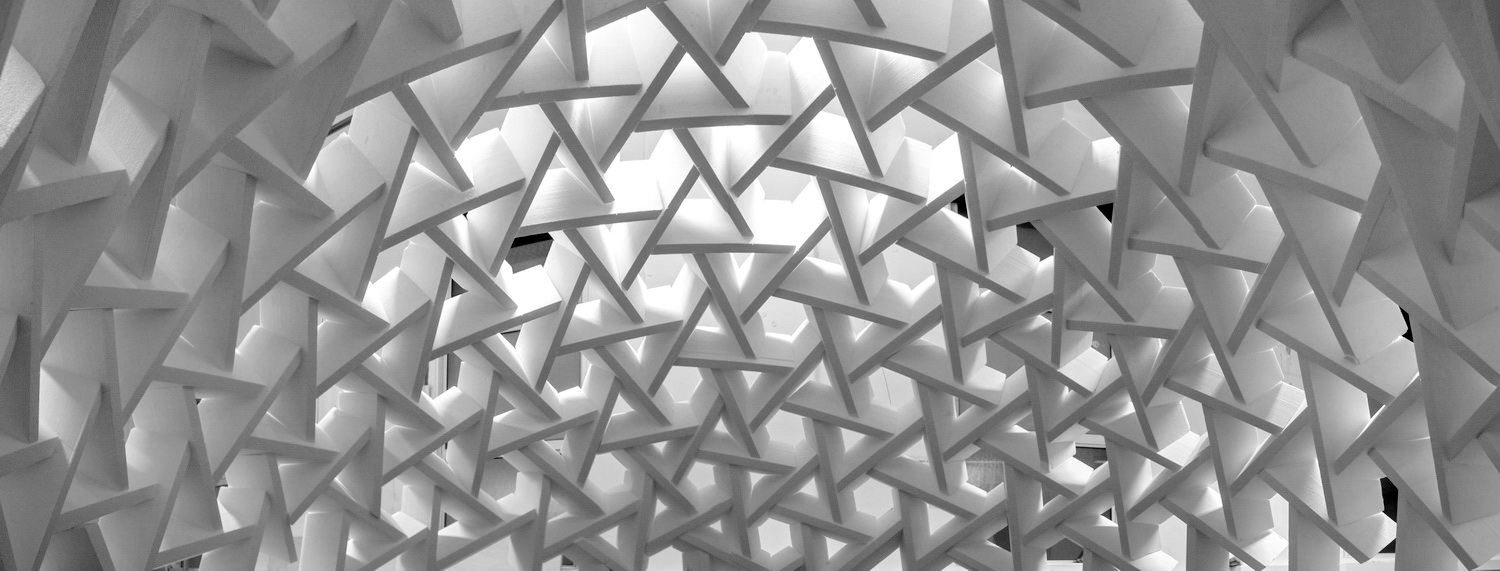
Nexorade and Reciprocal Structures
-
Ponte Truchet
-
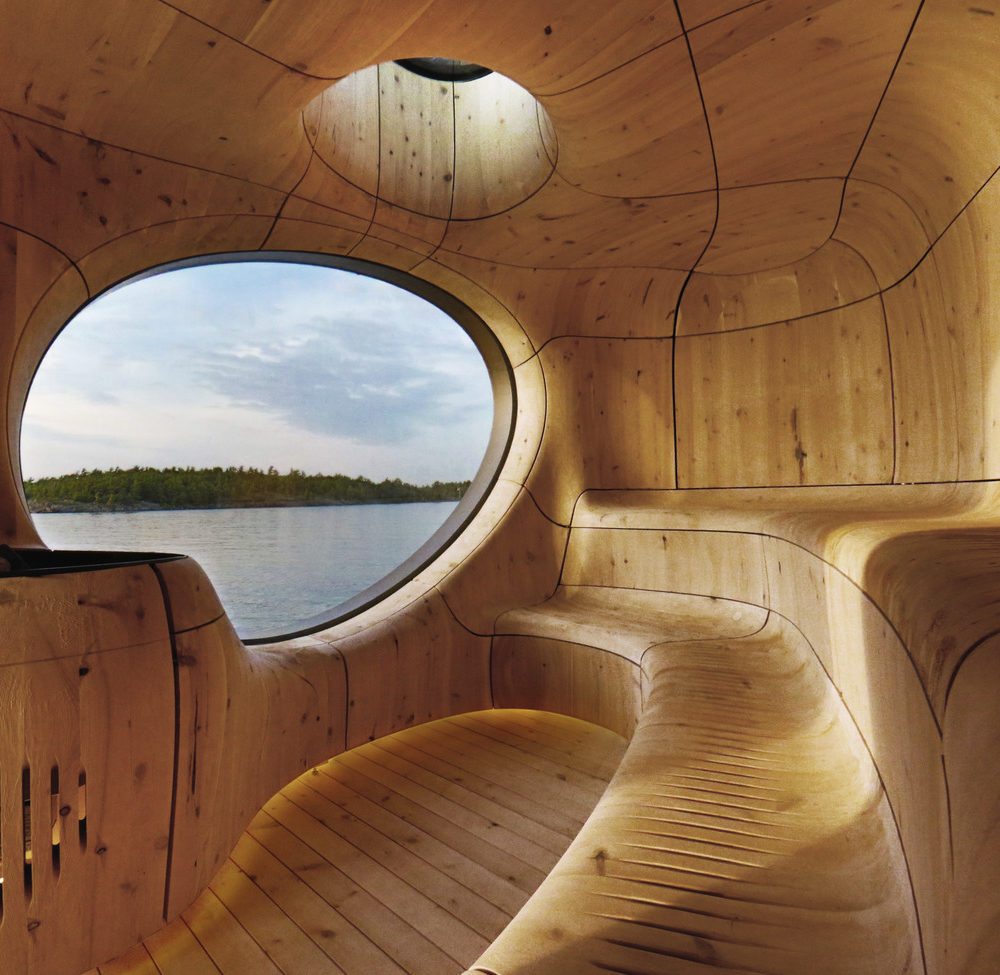
Grotto Sauna
-
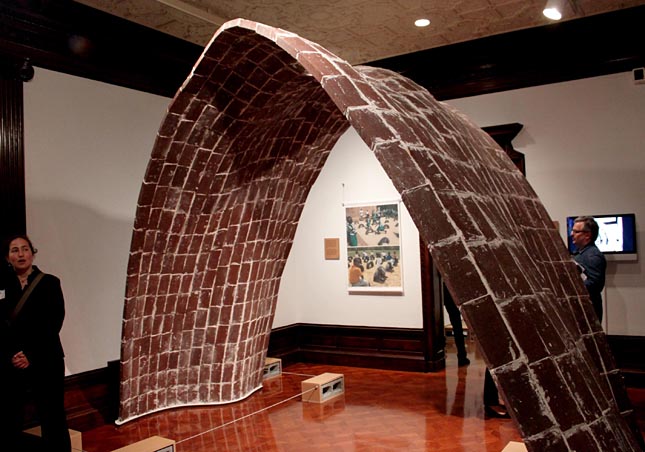
VAULT201
-
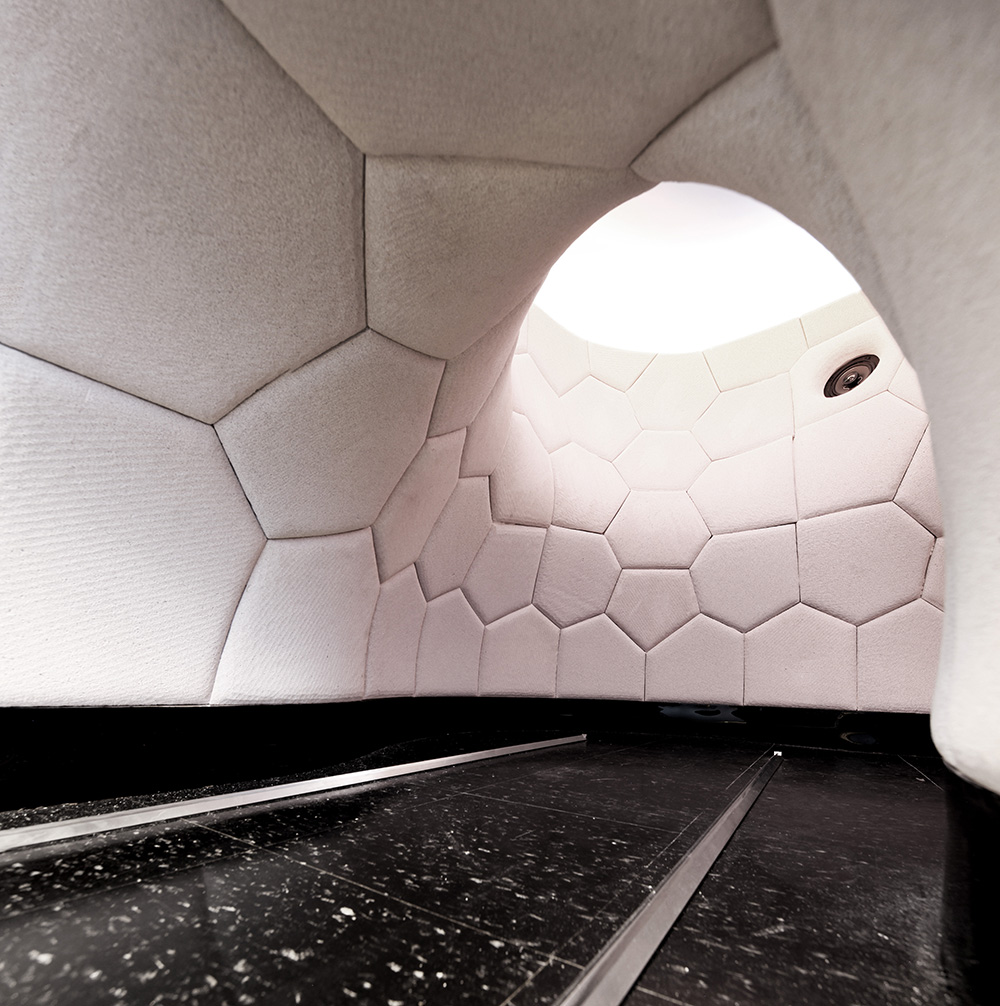
Round Room
-
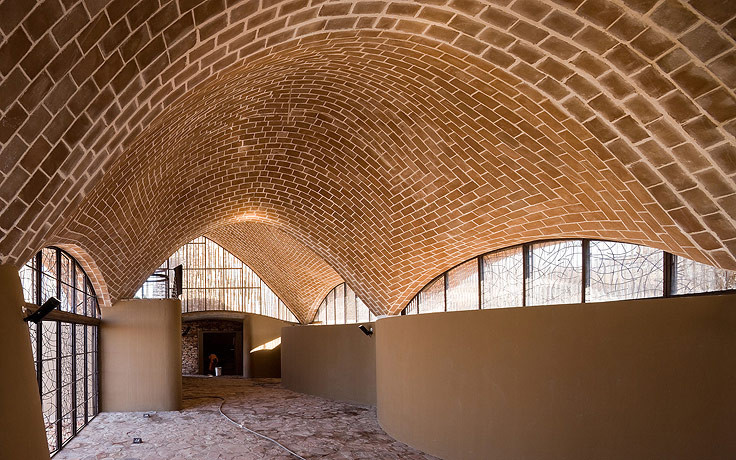
Mapungubwe Interpretation Centre
-
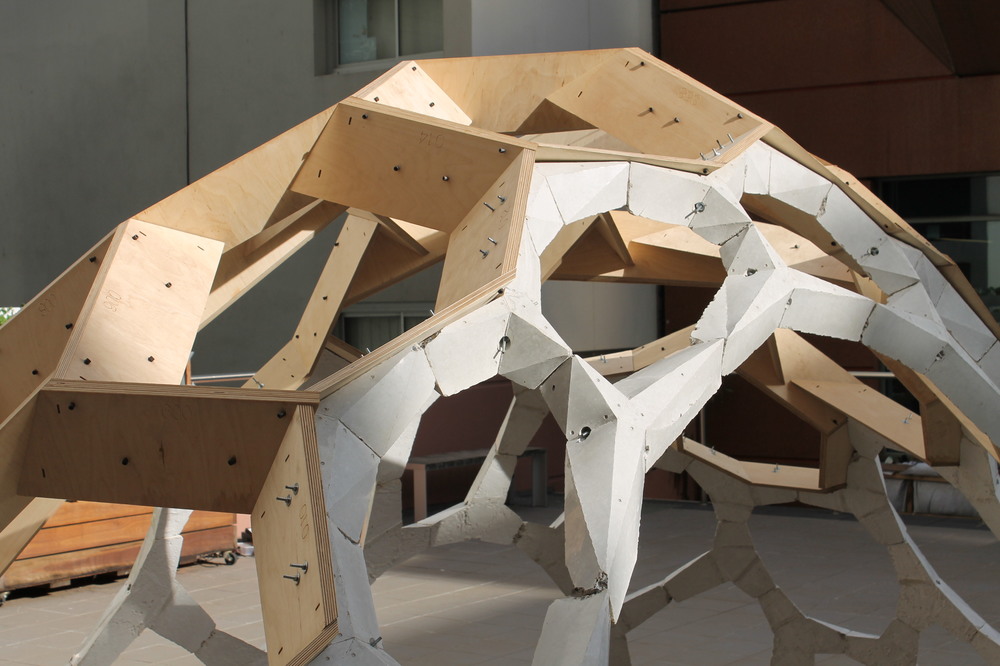
Utzon Forty
-
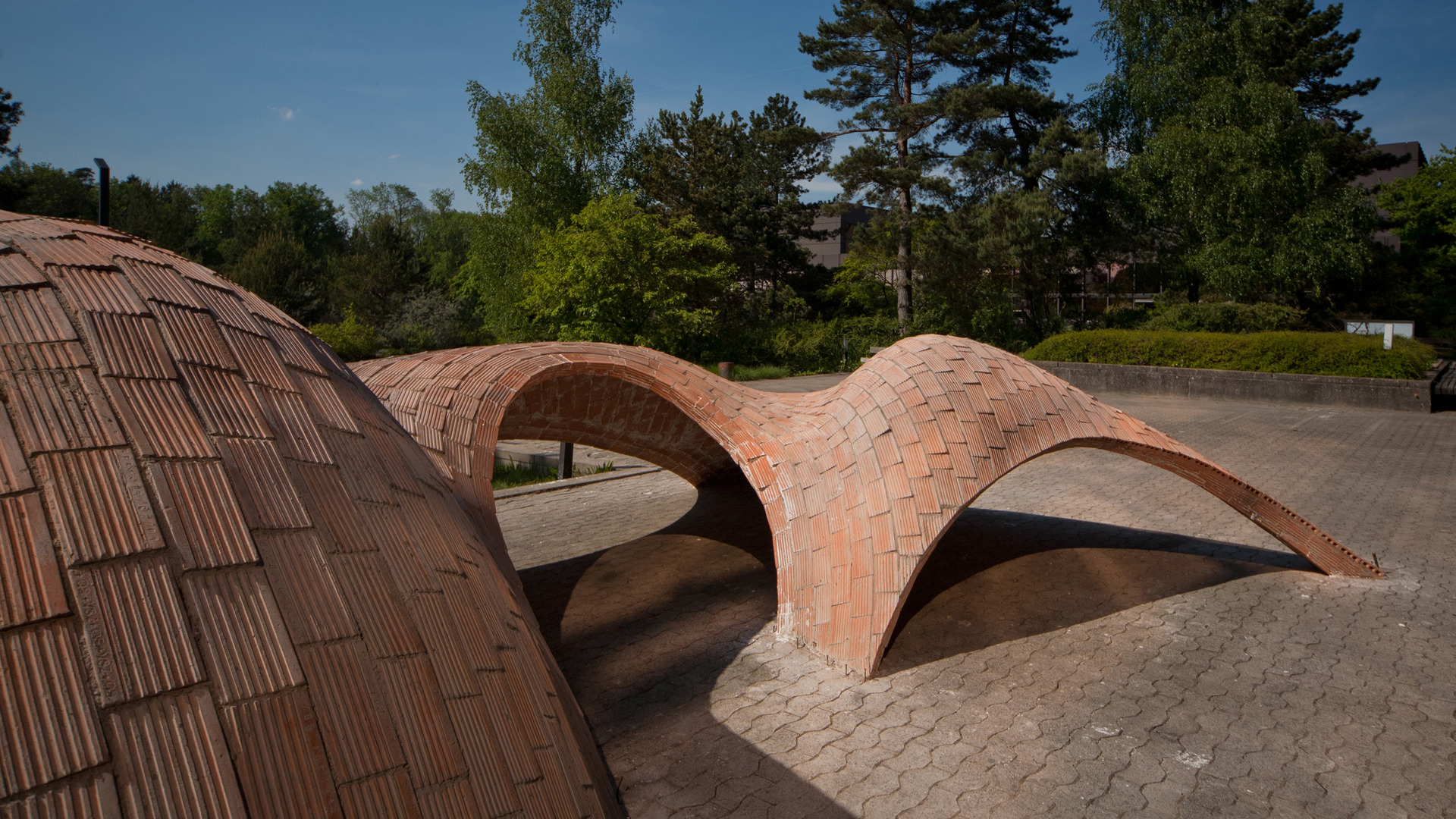
Freeform Timbrel Vault
-
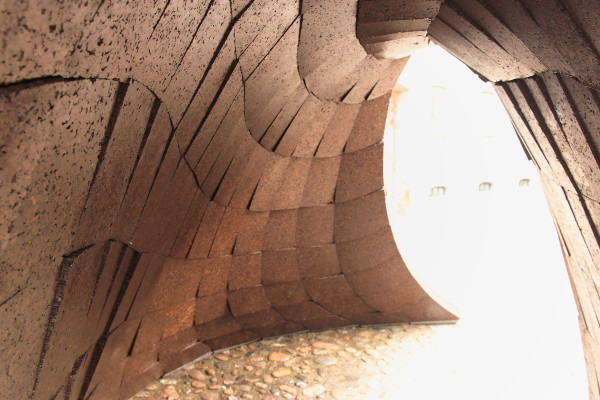
CorkVault Aarhus
-
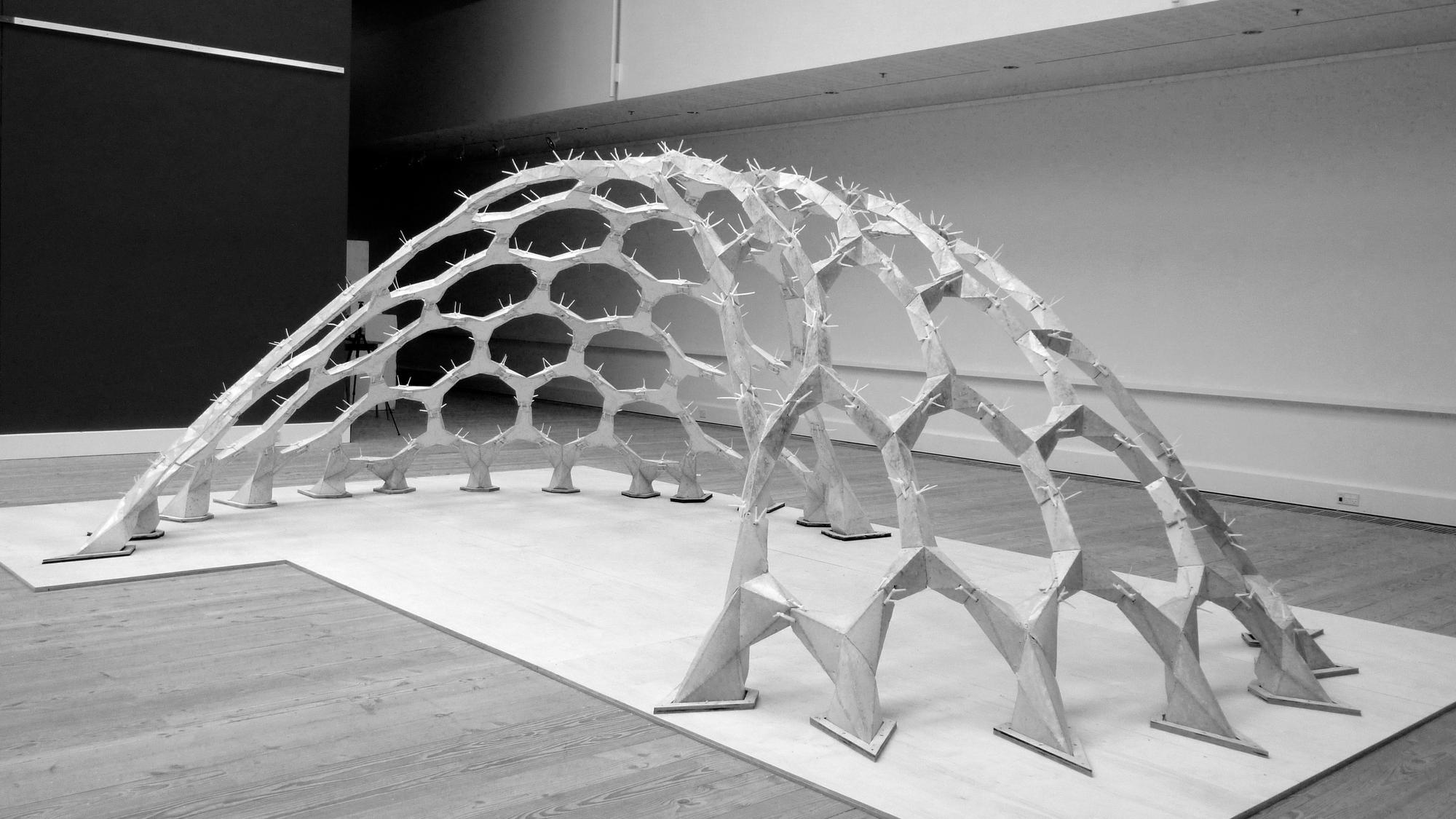
Pre: Vault
-
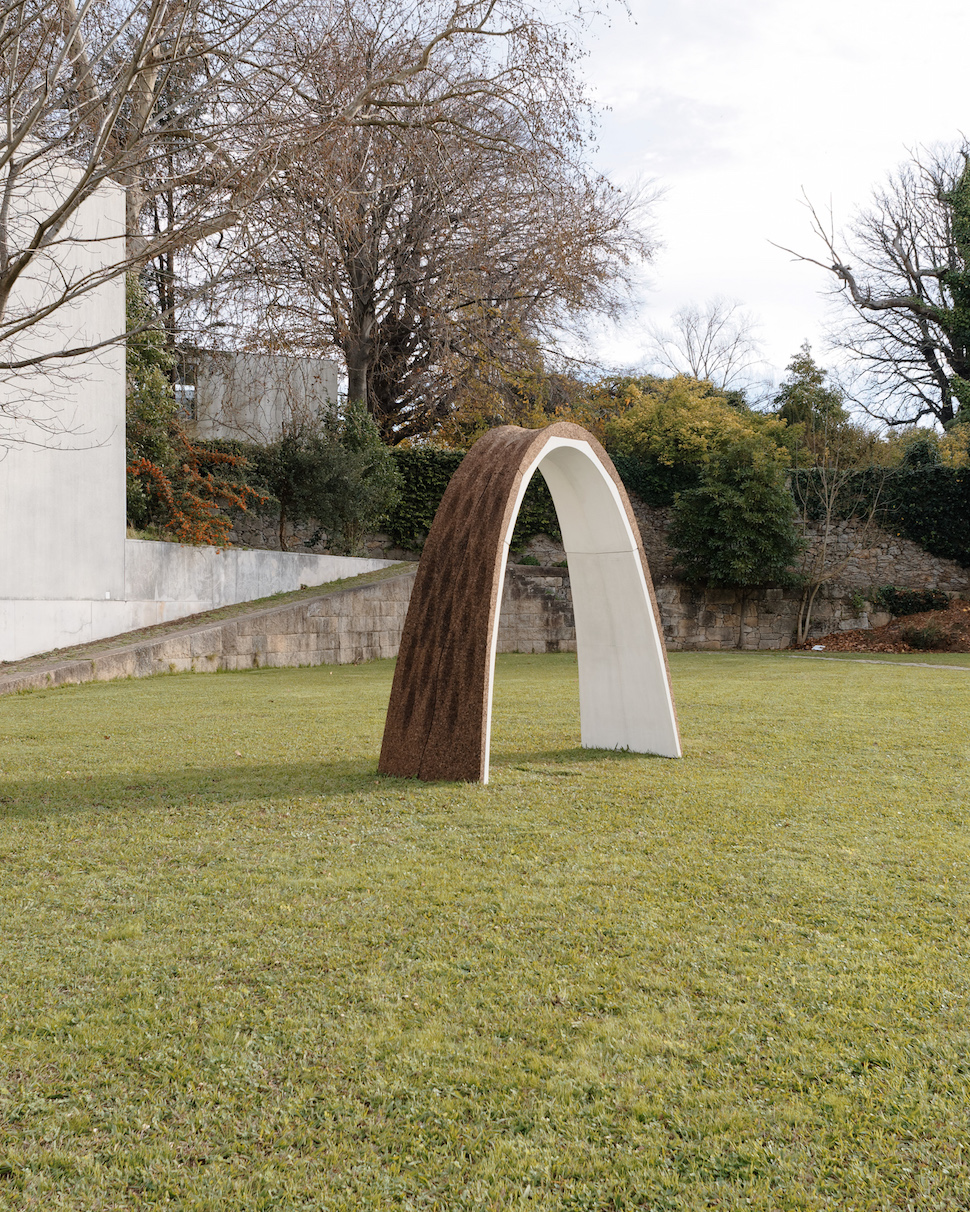
CorkCrete Arch
-
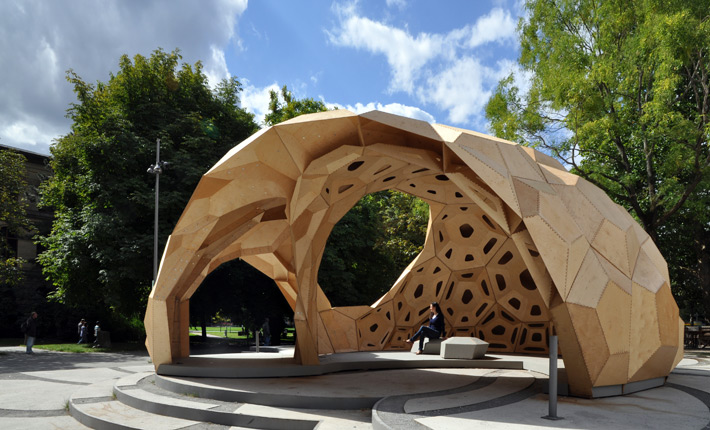
ICD/ITKE Reasearch Pavillion 2011
-
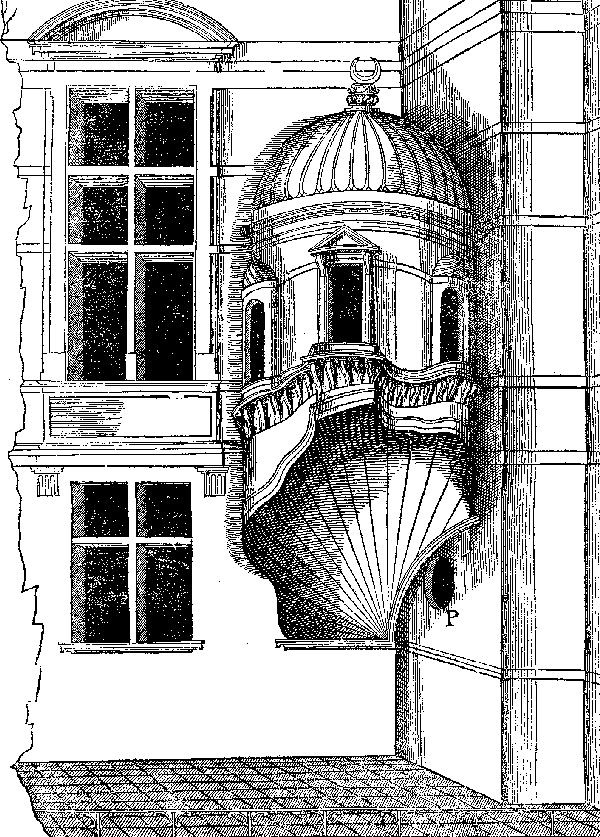
Chateau d’Anet Trompe
-
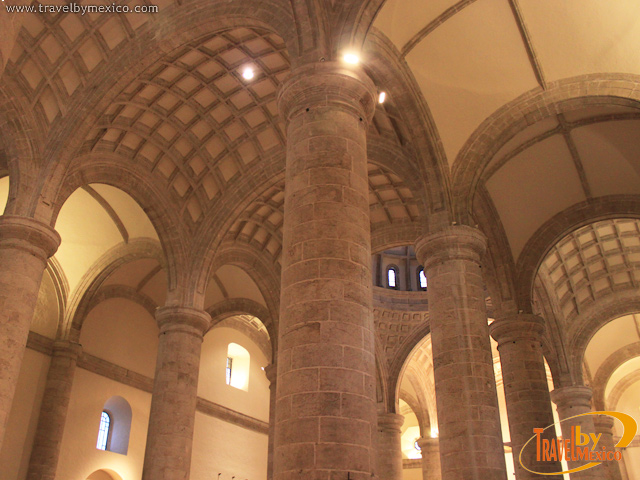
Merida Cathedral in Yucatán
-
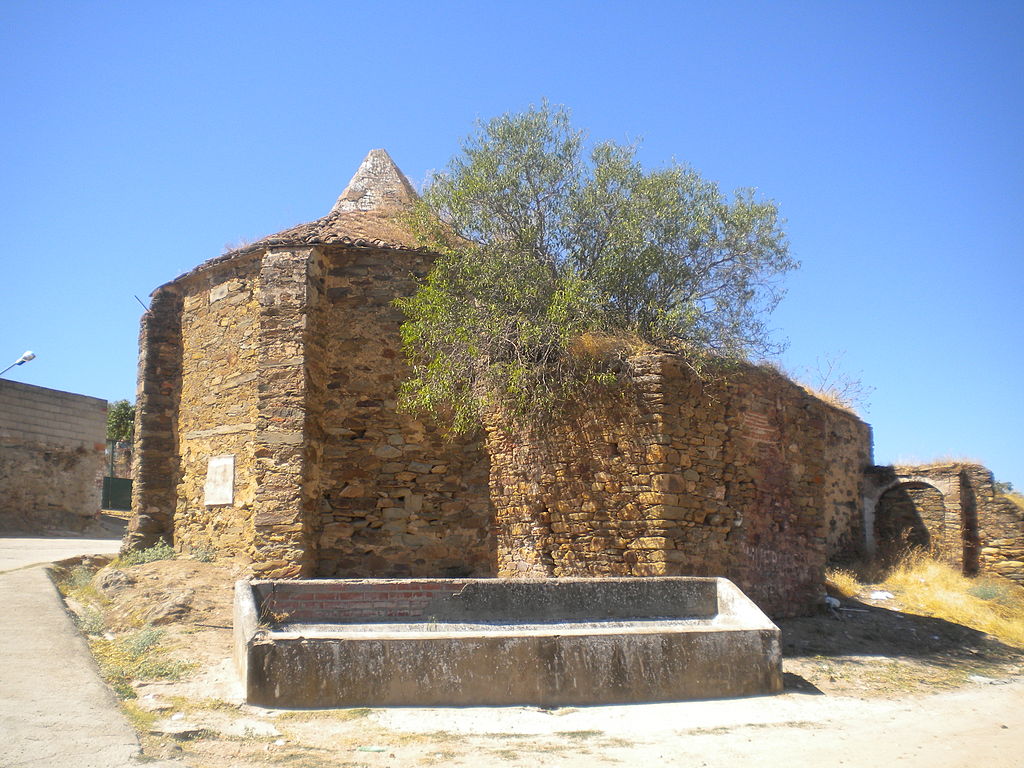
Ermita del Santo Cristo (Talaván)
-
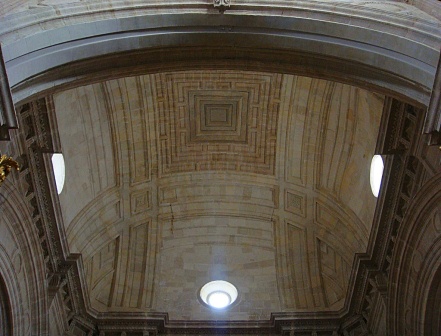
Iglesia de Santiago de Orihuela
-
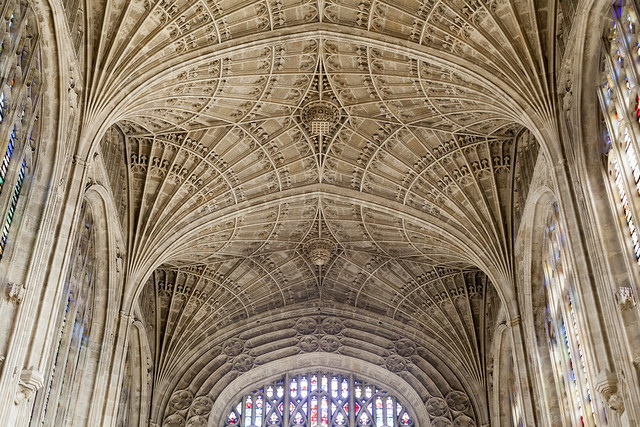
King’s College Chapel
-
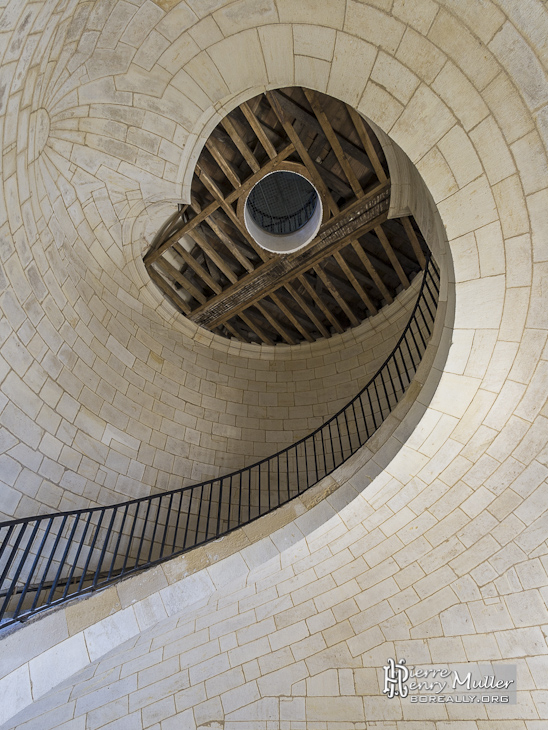
Phare de Cordouan
-
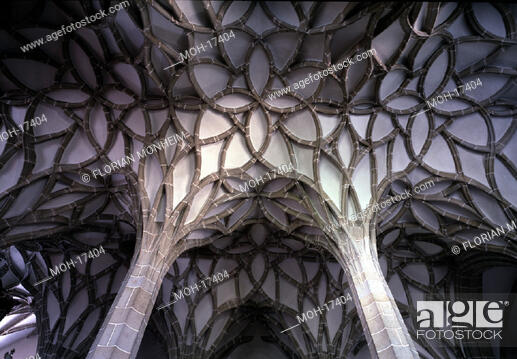
Pfarrkirche Königswiesen
-
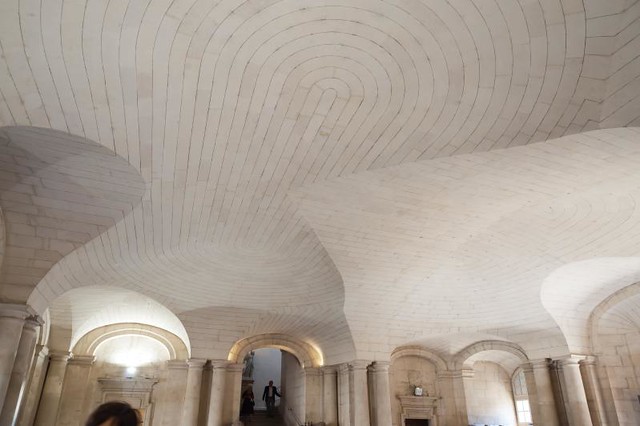
Hôtel de ville d’Arles
-
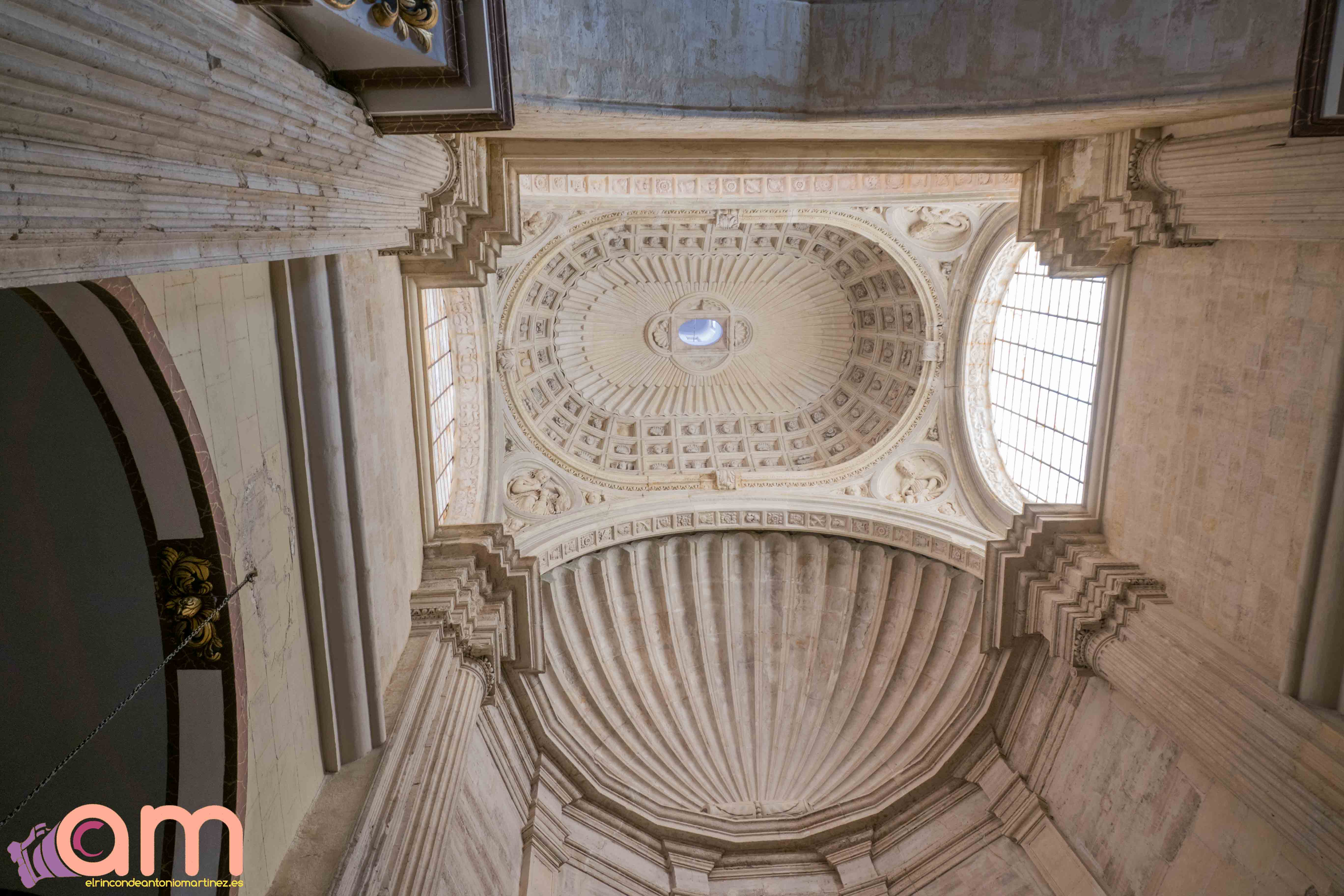
Iglesia De Sta. Mª Del Salvador-Chinchilla De Montearagon
-
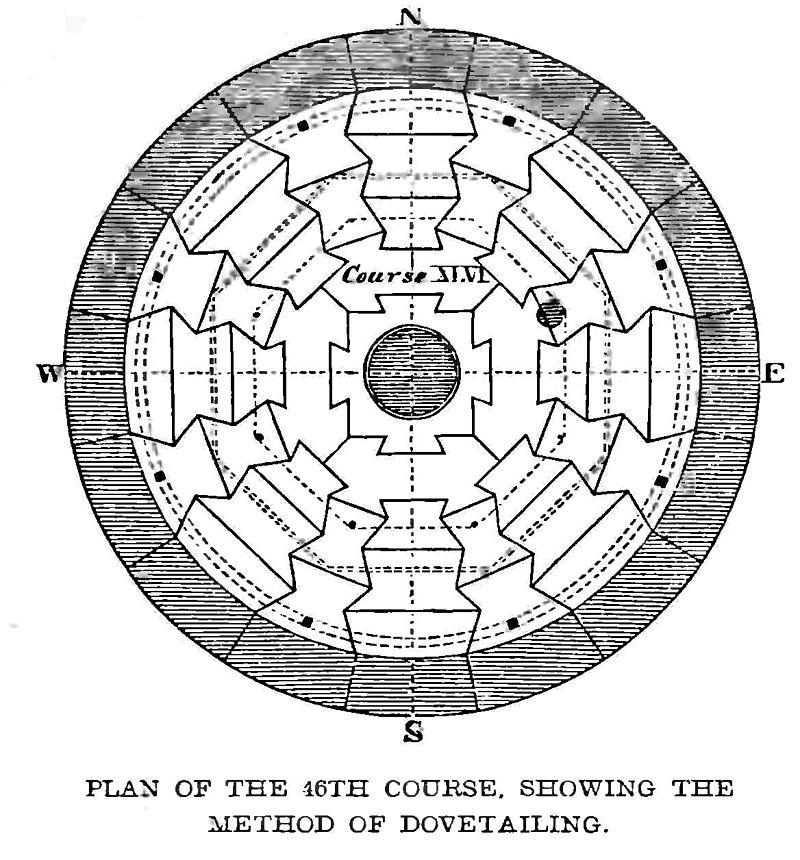
Smeaton’s Tower
-
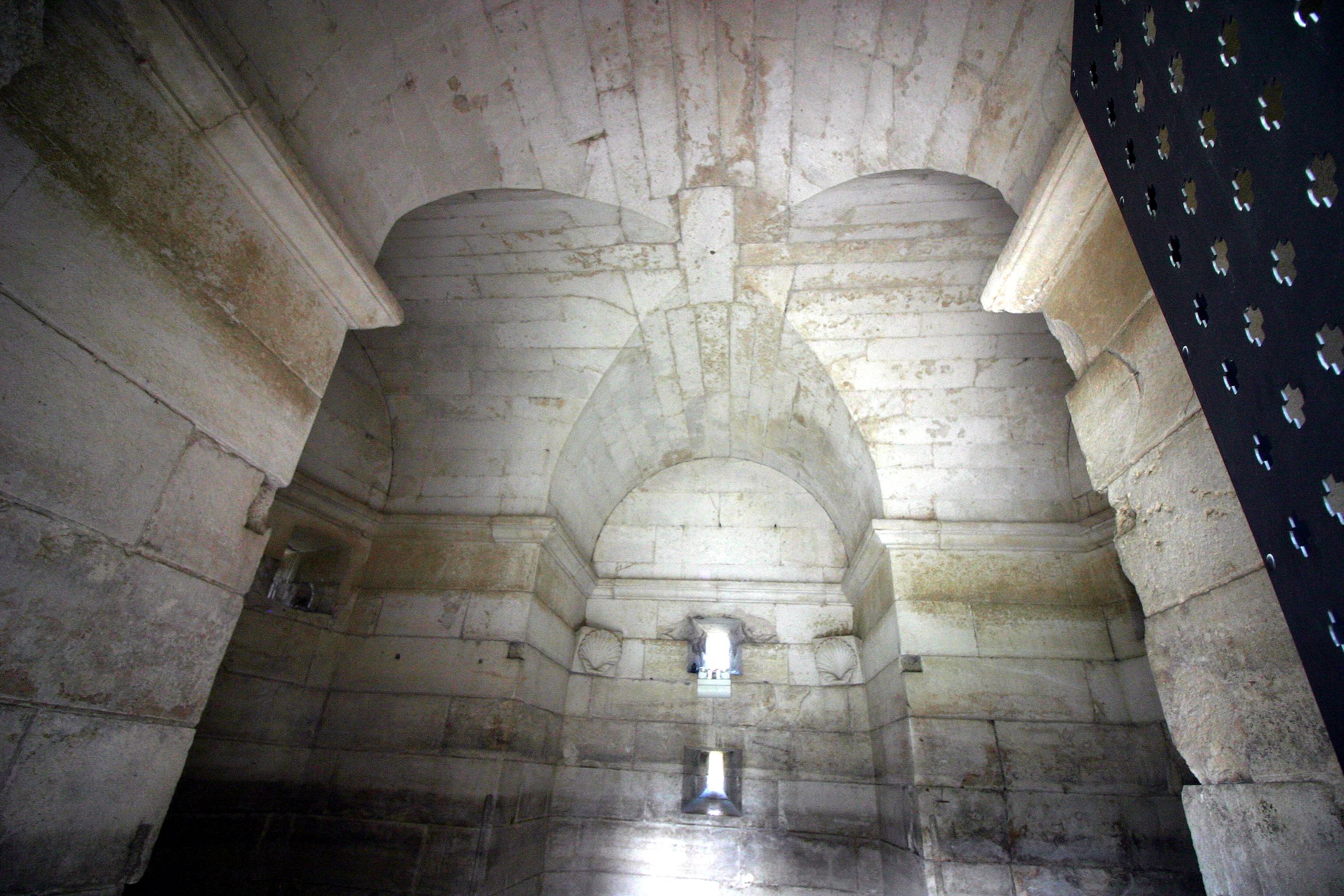
Mausoleum of Theodoric
-
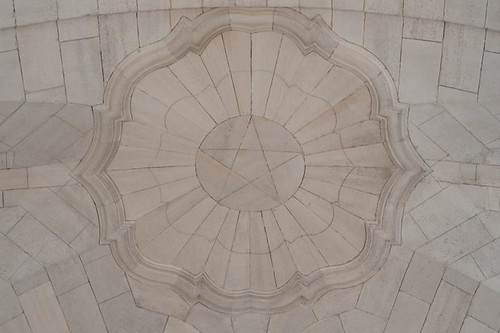
Chartreuse de Valbonne
-
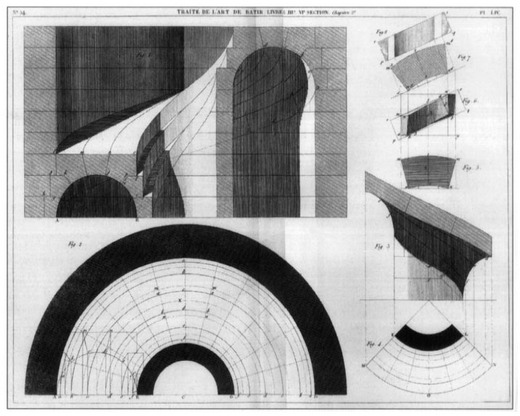
Vis de Saint Gilles
-

Fastnet Rock
-
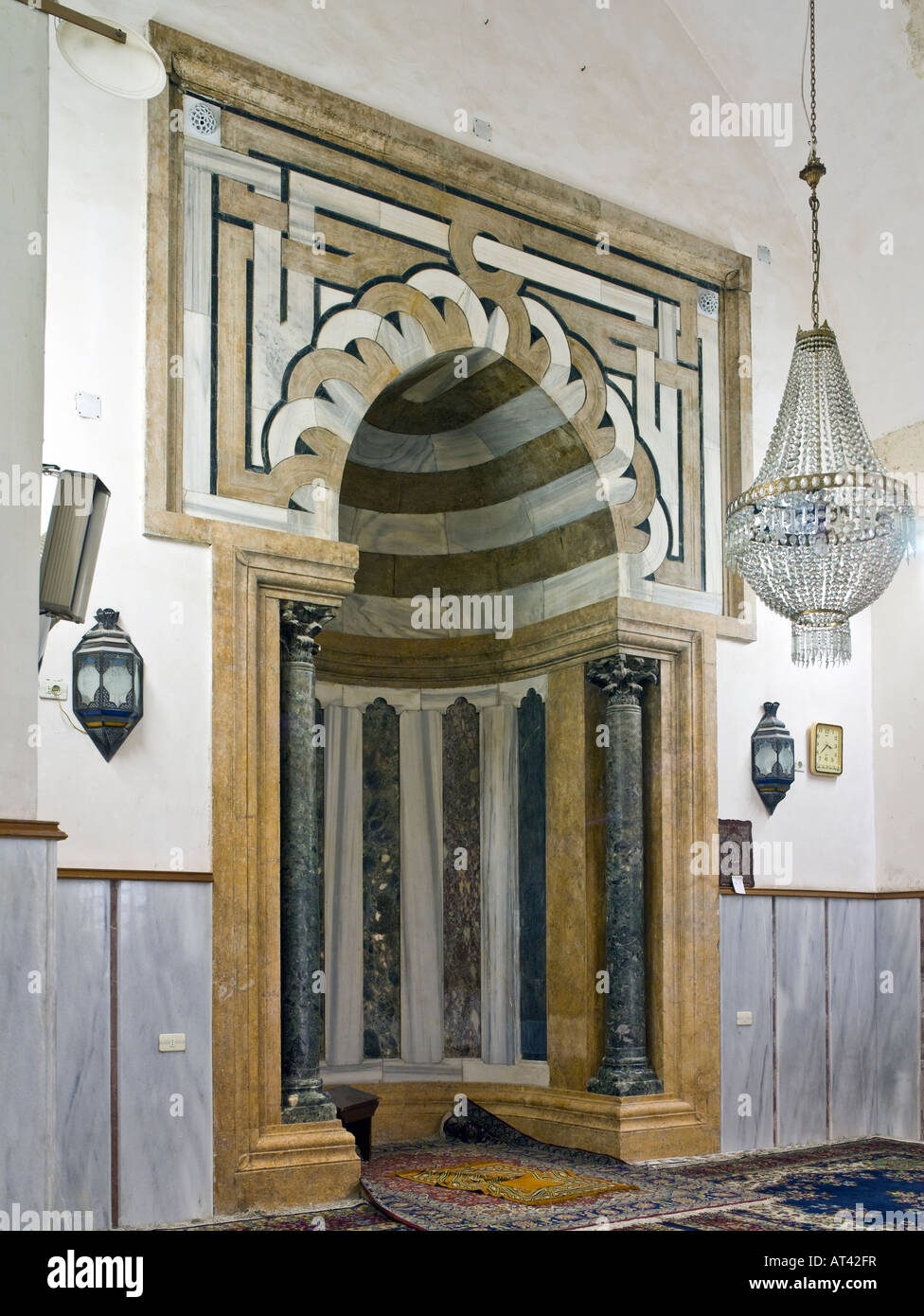
Mihrab Aleppo
-
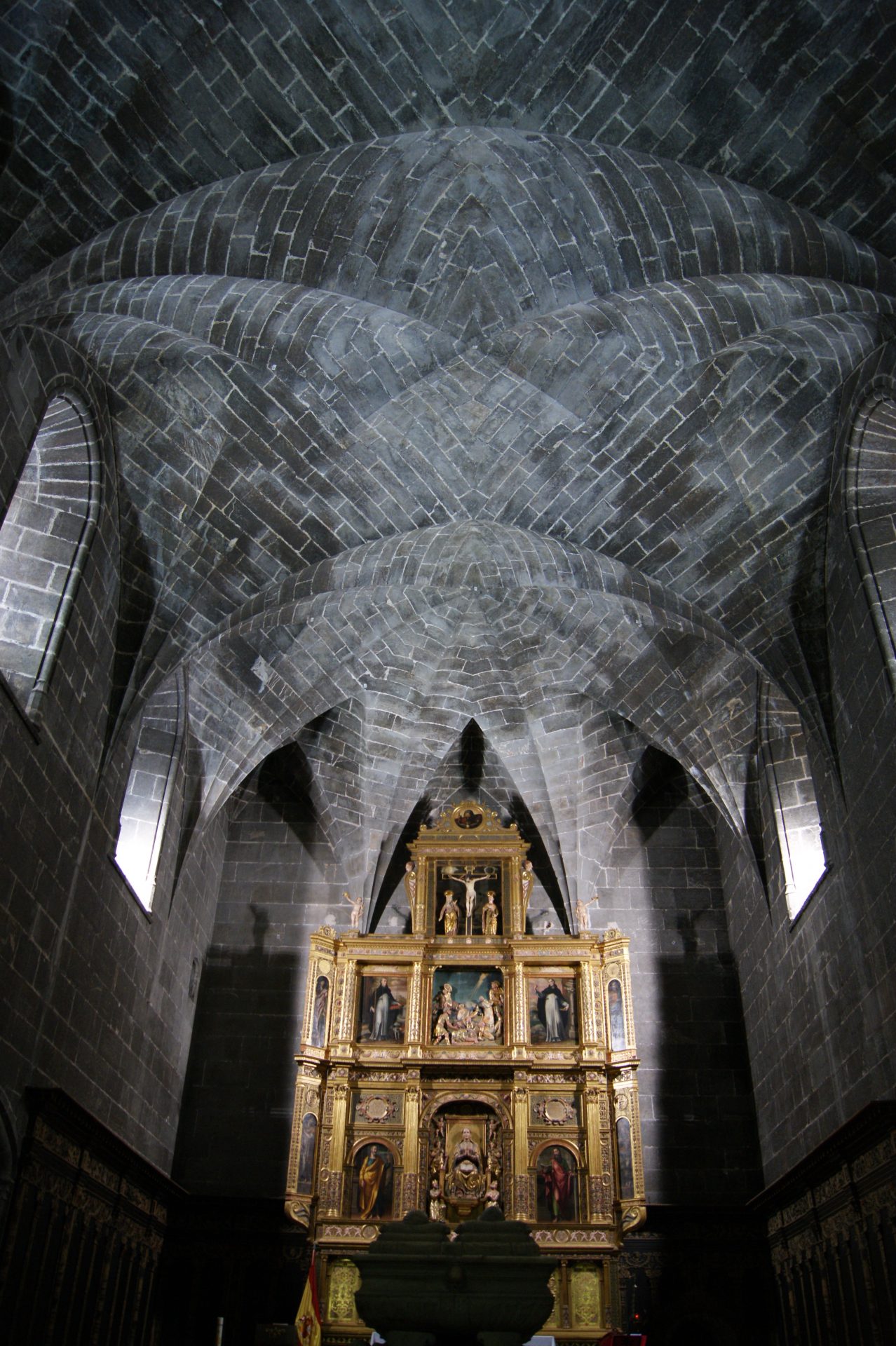
Royal Chapel of Convento de Santo Domingo
-
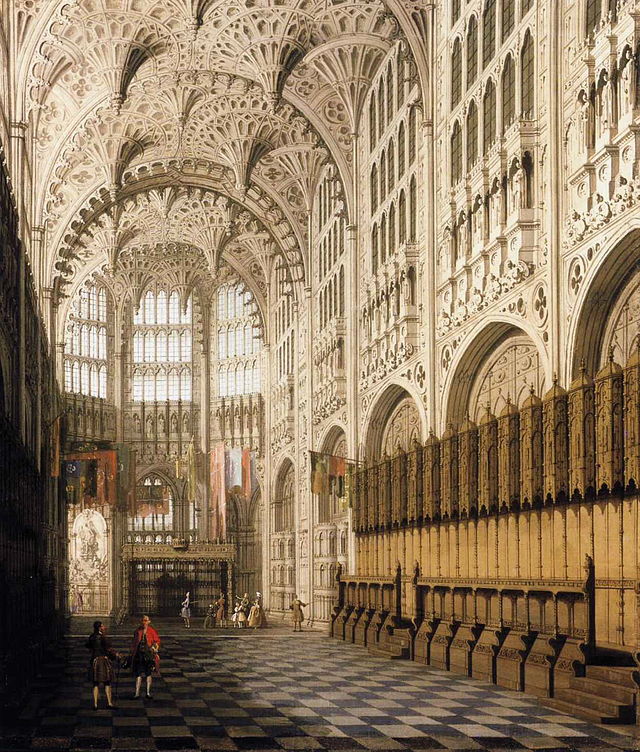
Henry VII Lady Chapel
-
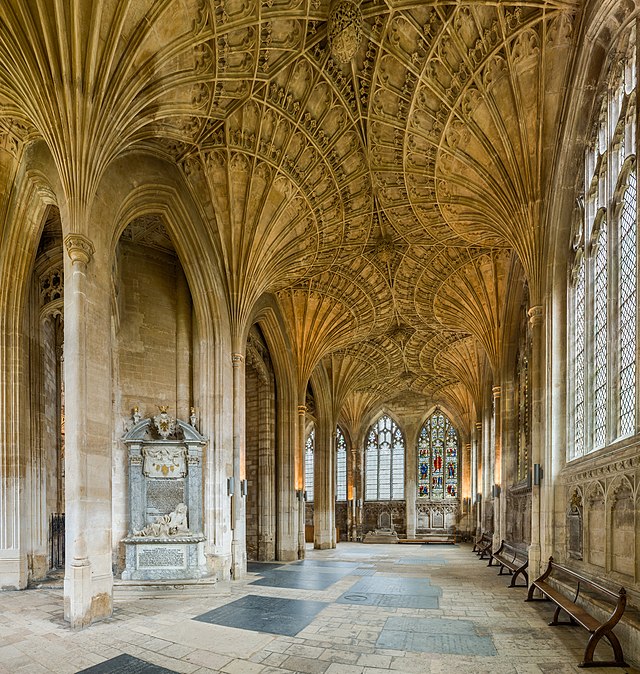
Peterborough Cathedral – Lady Chapel
-
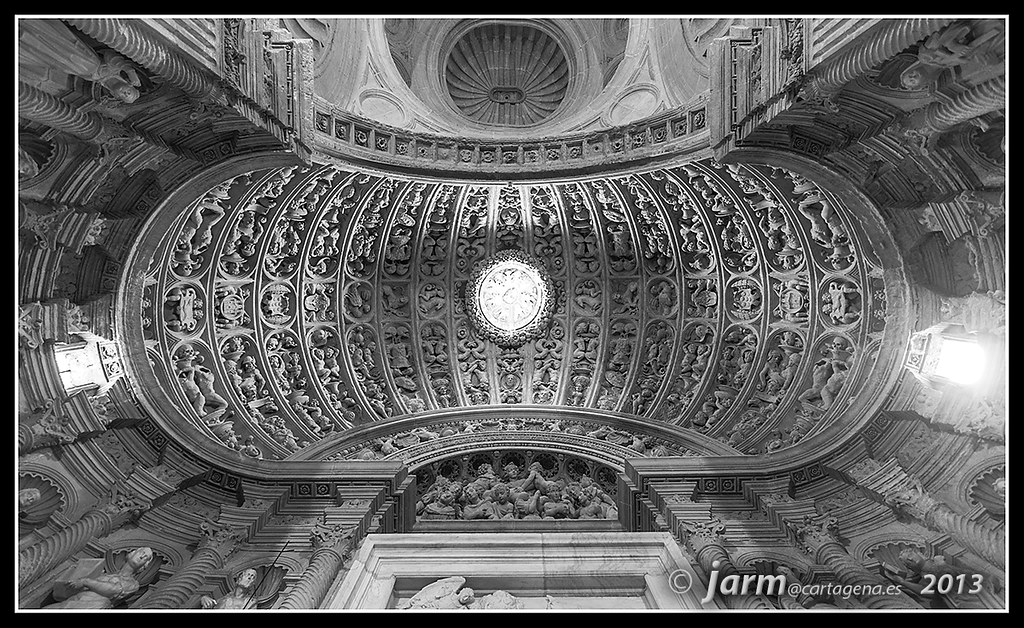
Capilla de Junterones
-
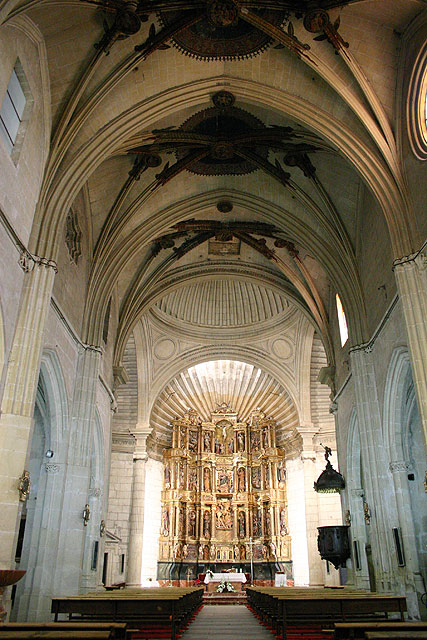
Jumilla
-
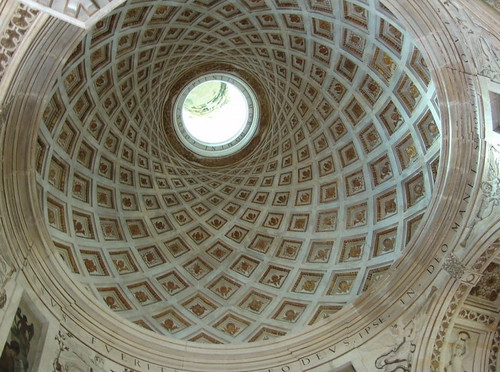
Chateau d’Anet Chapel Dome
-
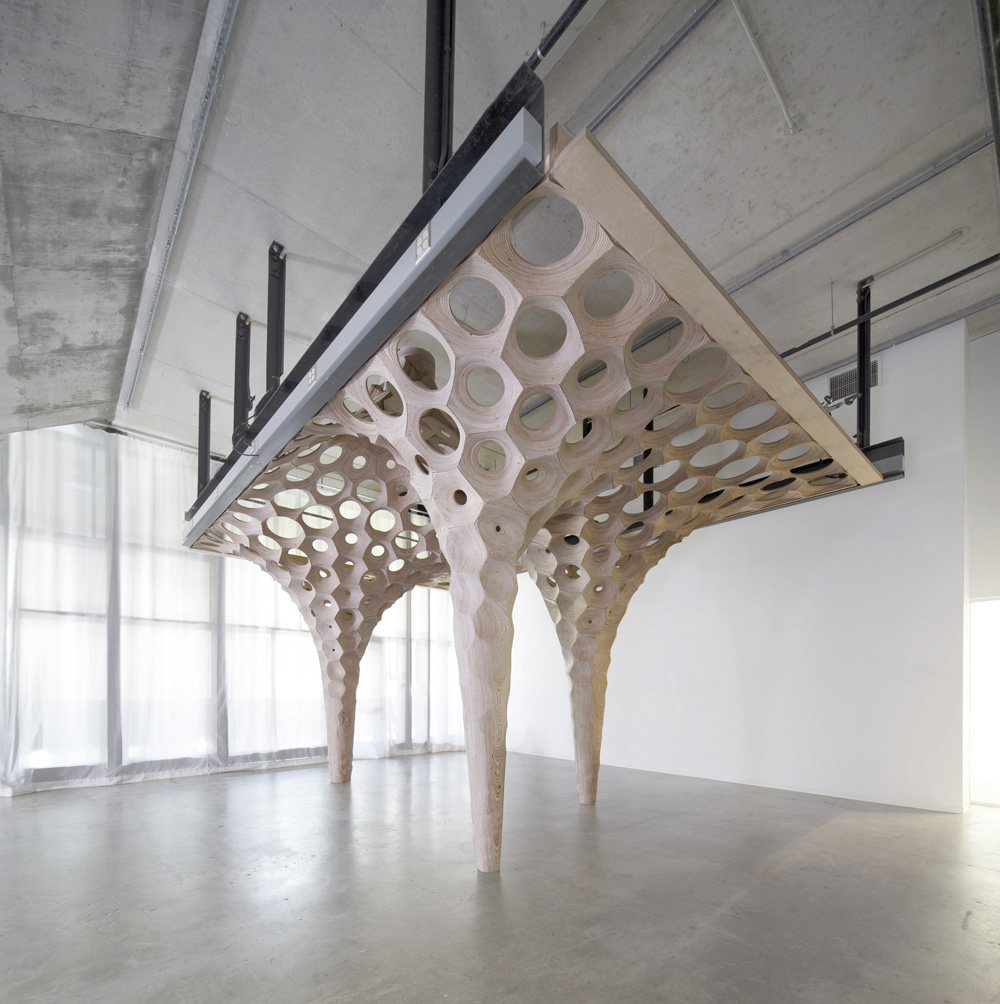
La Voûte de LeFevre
Image11:
-
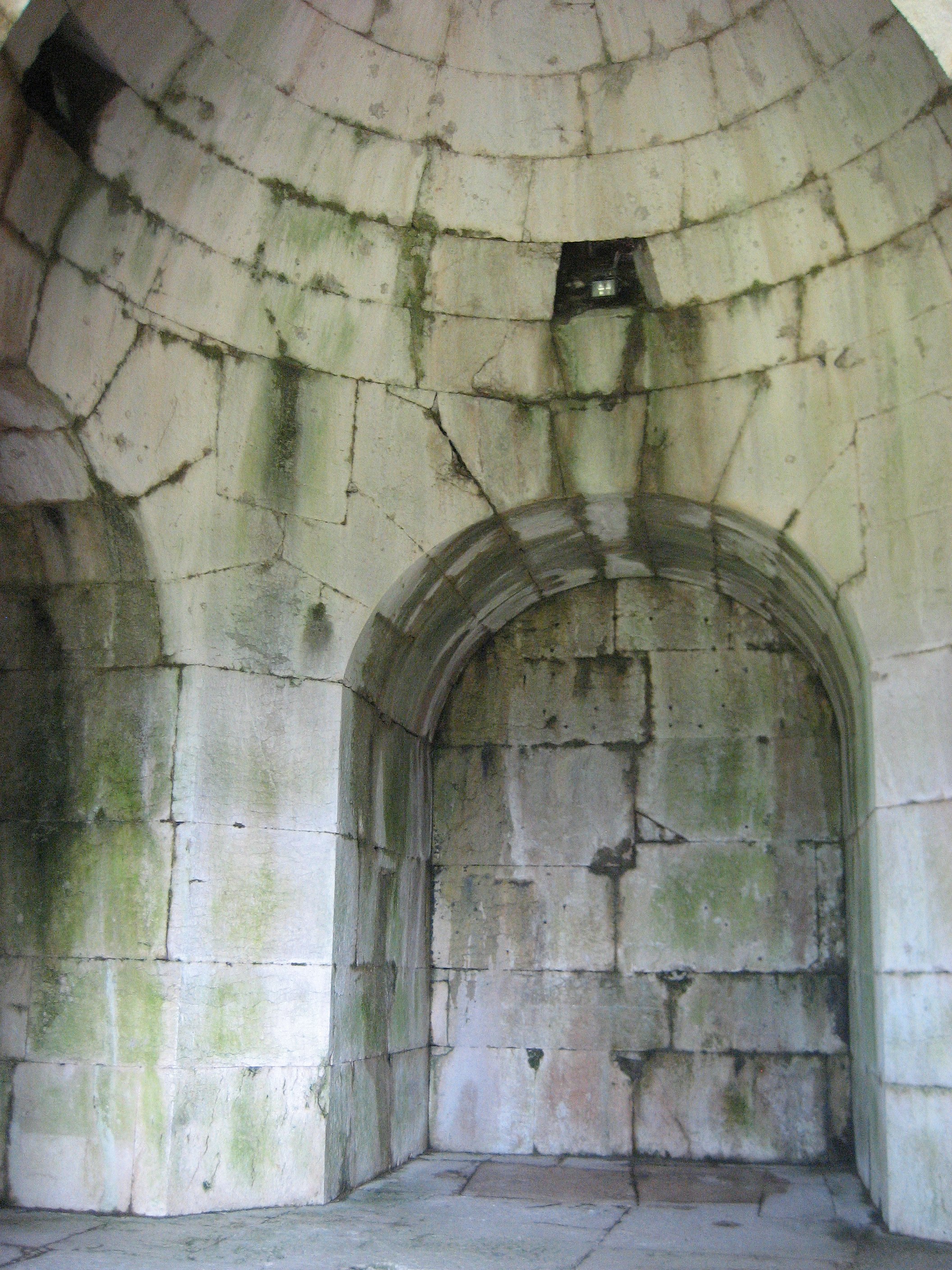
Tomb of Ummidia Quadratilla
Image11:
Facets:
Posted
by