Extraction
Material extraction is the act of acquiring the materials, which will later be processed. These can be obtained from nature or recycled, renewable or non-renewable, ubiquitous or localized. This signifier is present when the extraction is taken into account so that an economy in means is achieved. Quarrying for stone is the classical example of materials harvesting in stereotomy and, although stone is a very abundant material, the impact of quarries on landscape is significant (Gunn and Bailey, 1993), as well as in water and caves, dust, noise and nature conservation (Council and Somerset, 1971). Using repurposed earth or sand might reduce this problem, while the processing these materials might introduce other issues. Besides natural materials, other sources such as human waste, may be used efficiently in stereotomy.
Works featuring this facet:
-
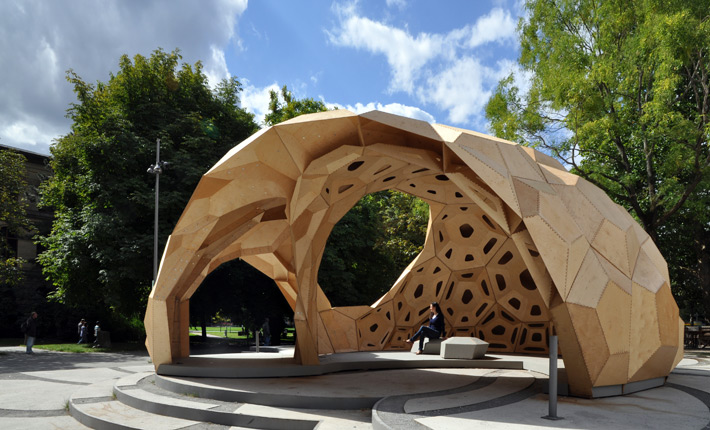
ICD/ITKE Reasearch Pavillion 2011
-

Bóveda del Milenio
-
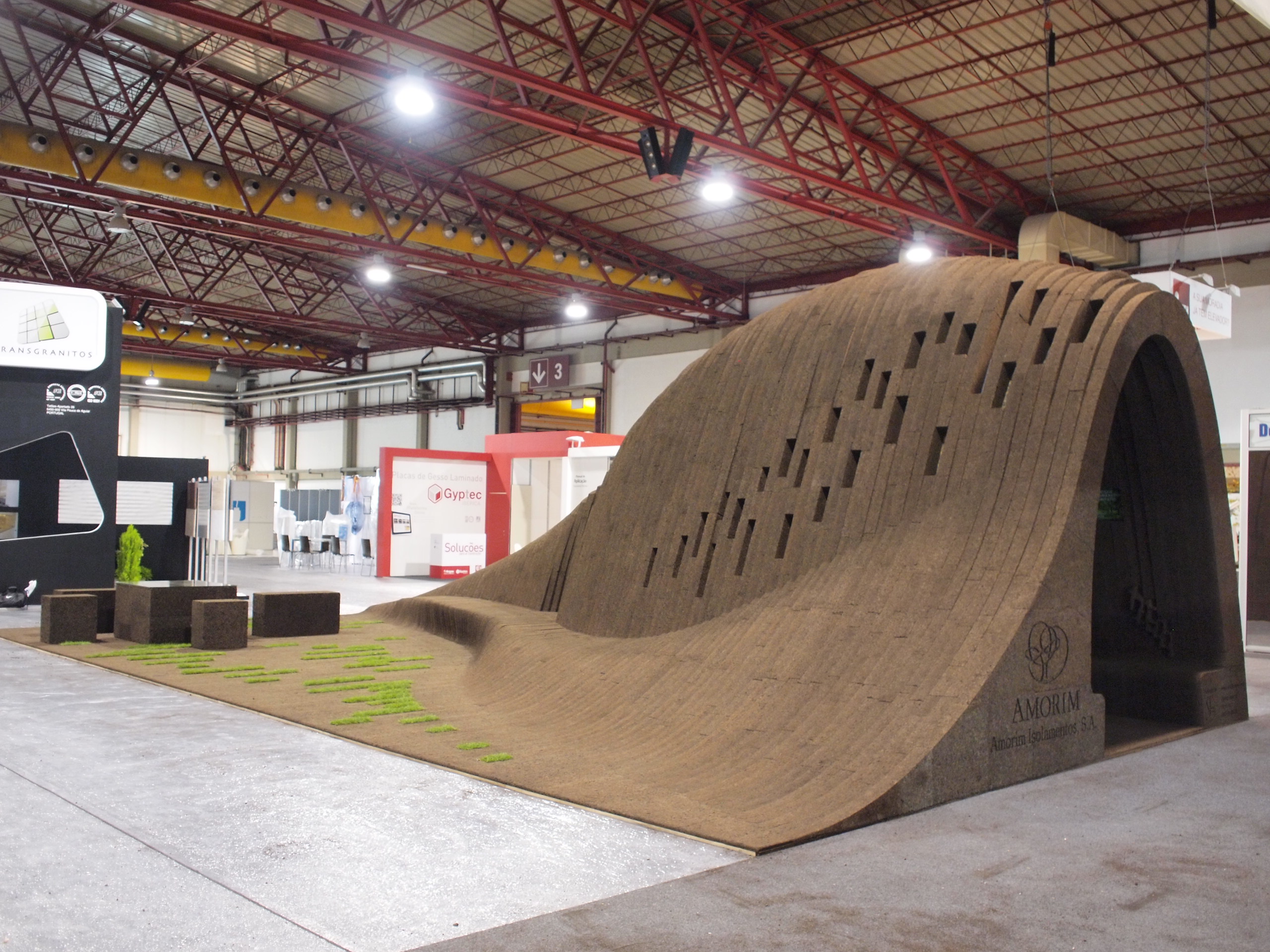
Cork vault Pavillion (Amorim)
-
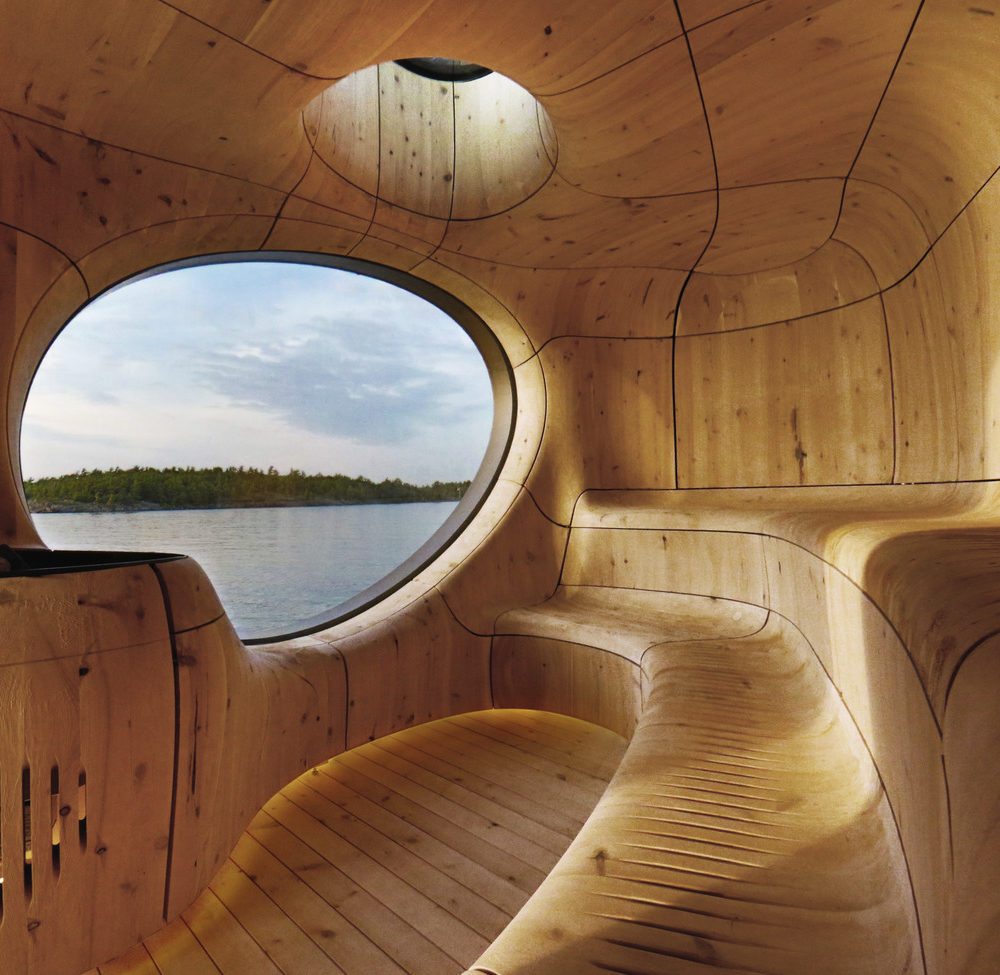
Grotto Sauna
-
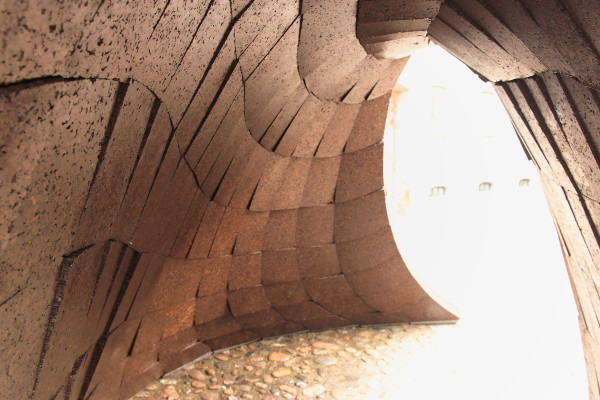
CorkVault Aarhus
-
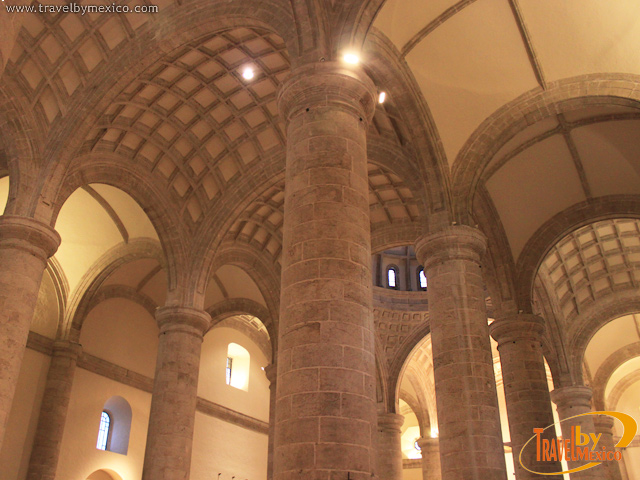
Merida Cathedral in Yucatán
-
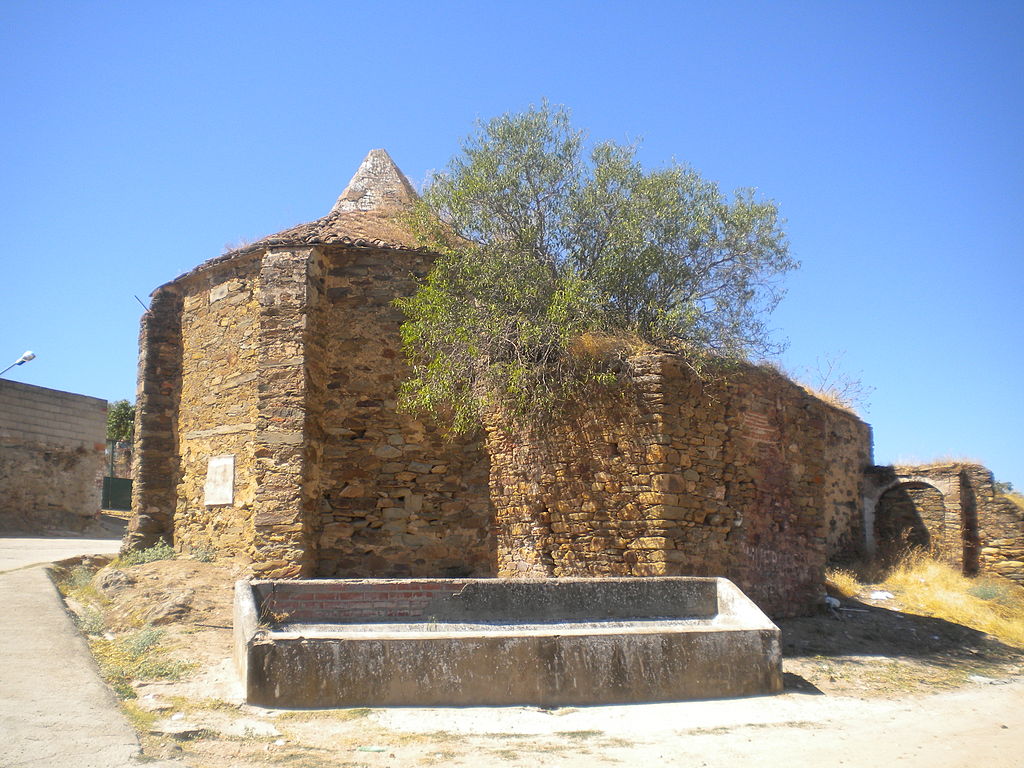
Ermita del Santo Cristo (Talaván)
-
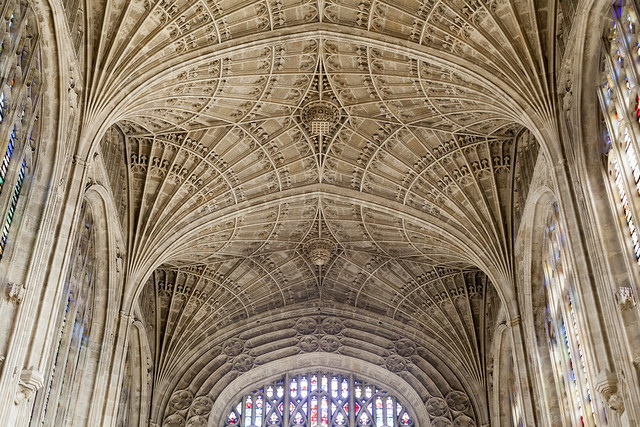
King’s College Chapel
-
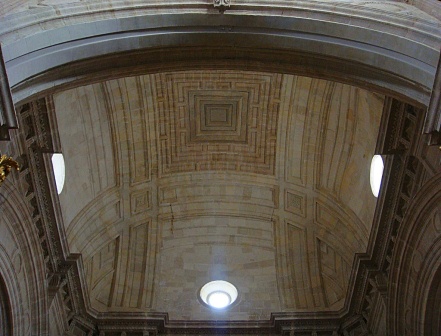
Iglesia de Santiago de Orihuela
-
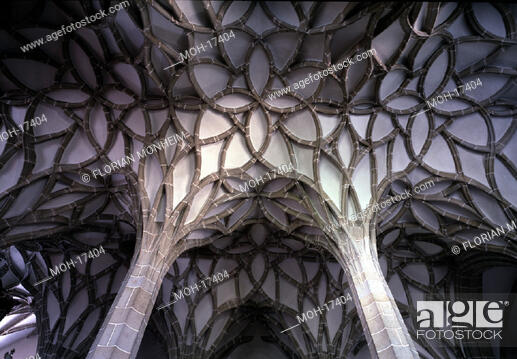
Pfarrkirche Königswiesen
-
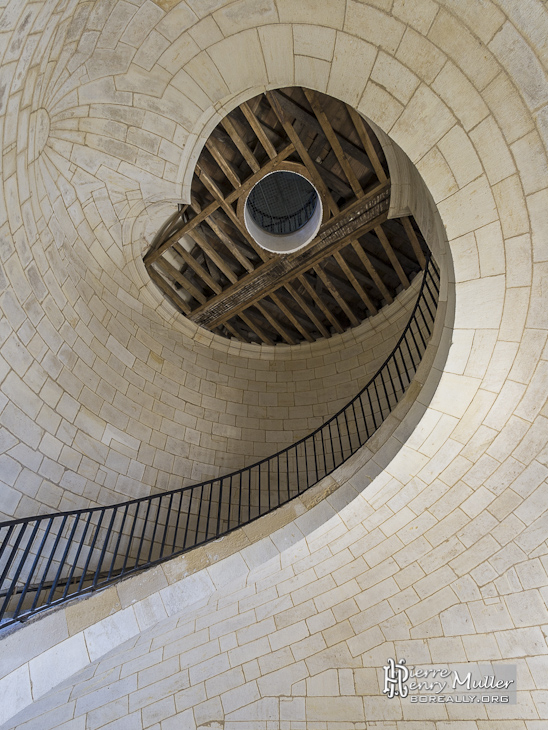
Phare de Cordouan
-
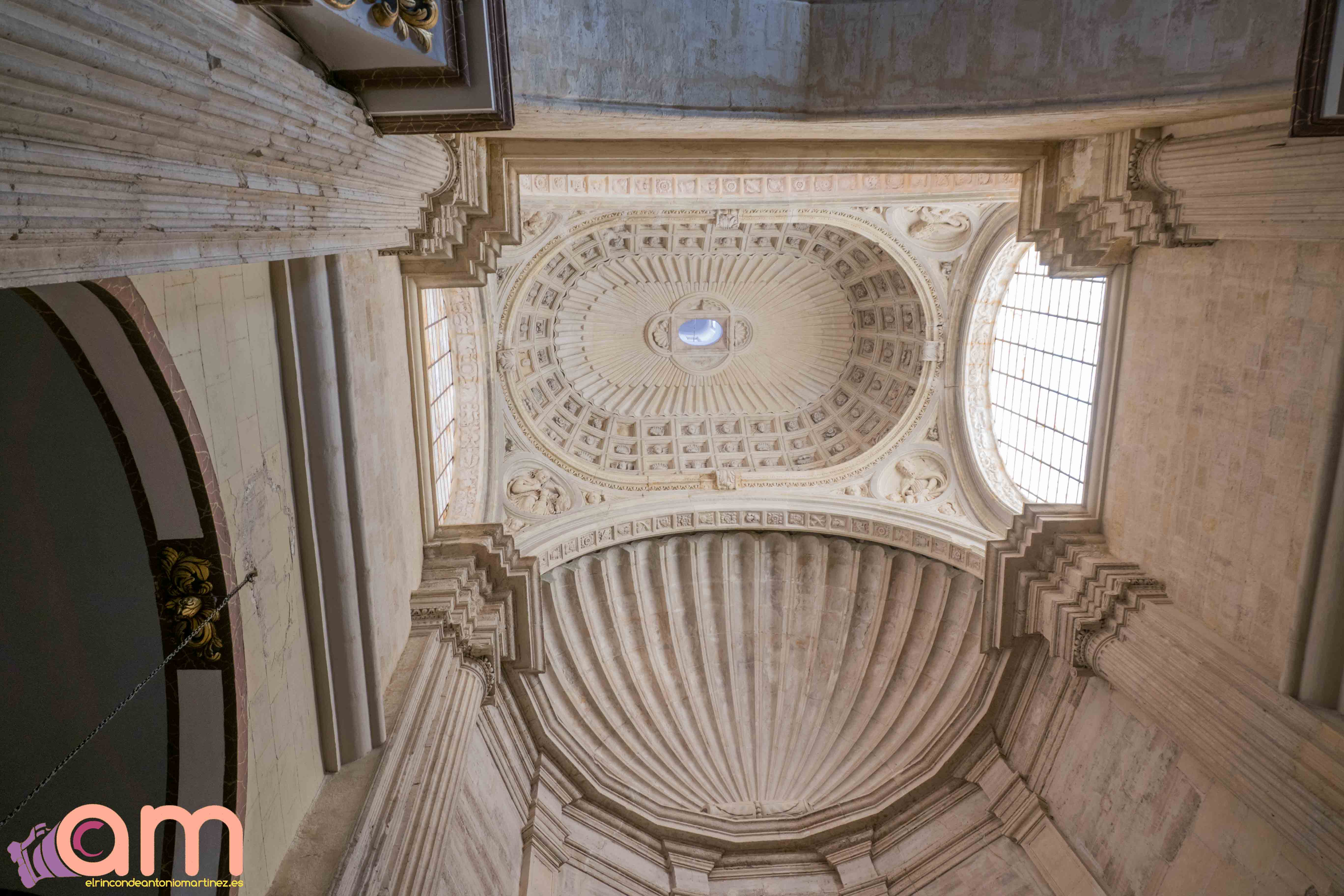
Iglesia De Sta. Mª Del Salvador-Chinchilla De Montearagon
-
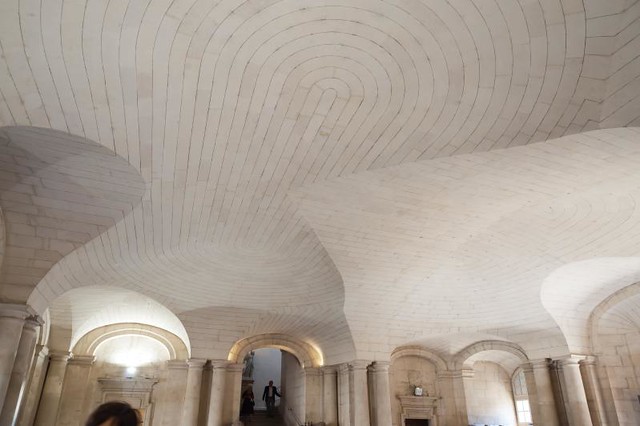
Hôtel de ville d’Arles
-
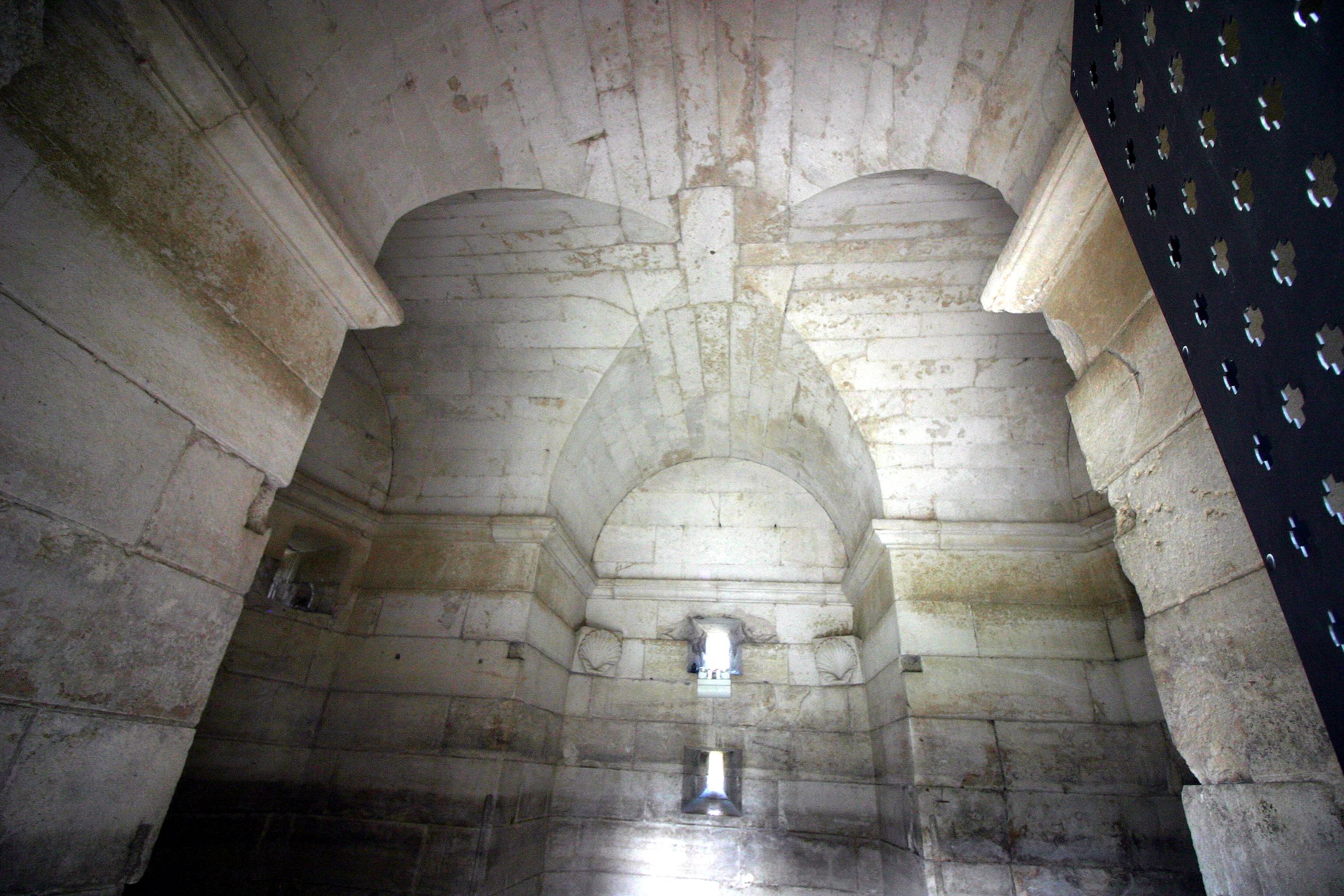
Mausoleum of Theodoric
-
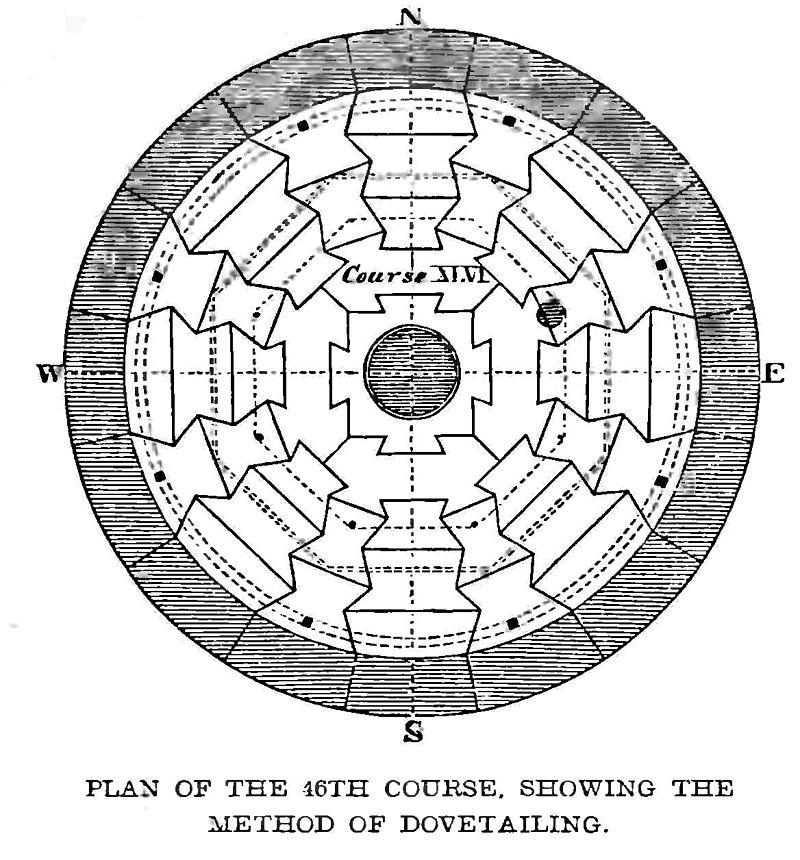
Smeaton’s Tower
-
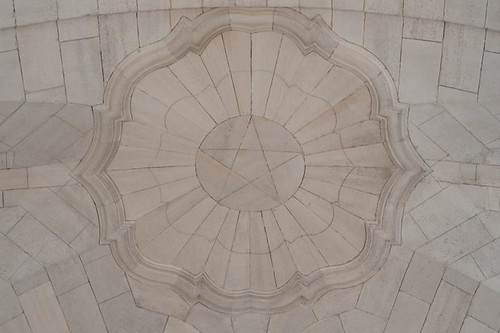
Chartreuse de Valbonne
-
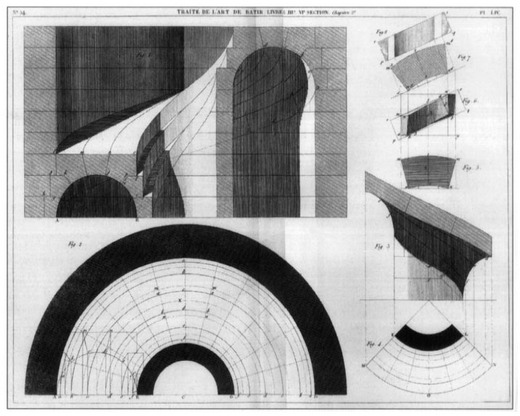
Vis de Saint Gilles
-

Fastnet Rock
-
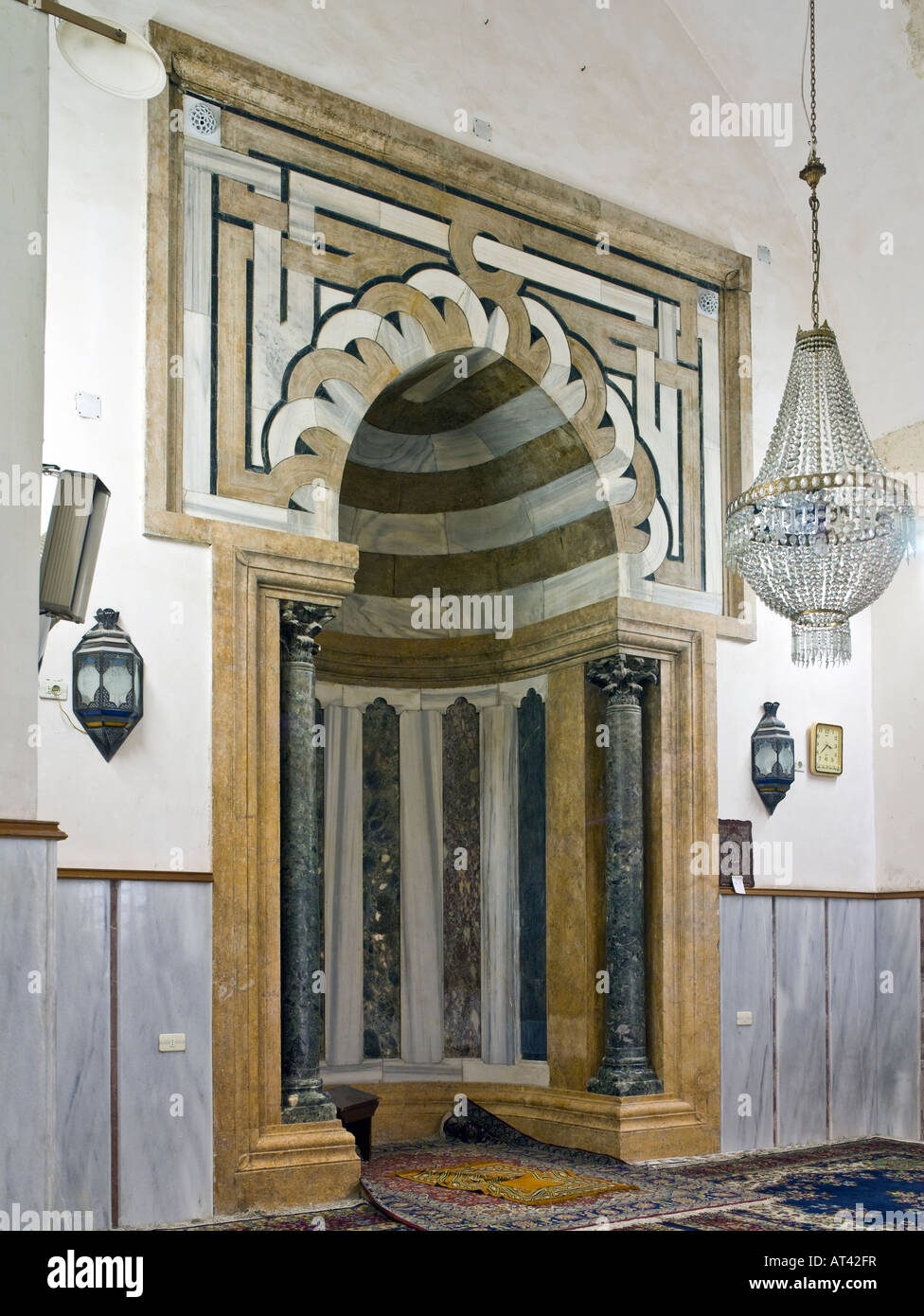
Mihrab Aleppo
-
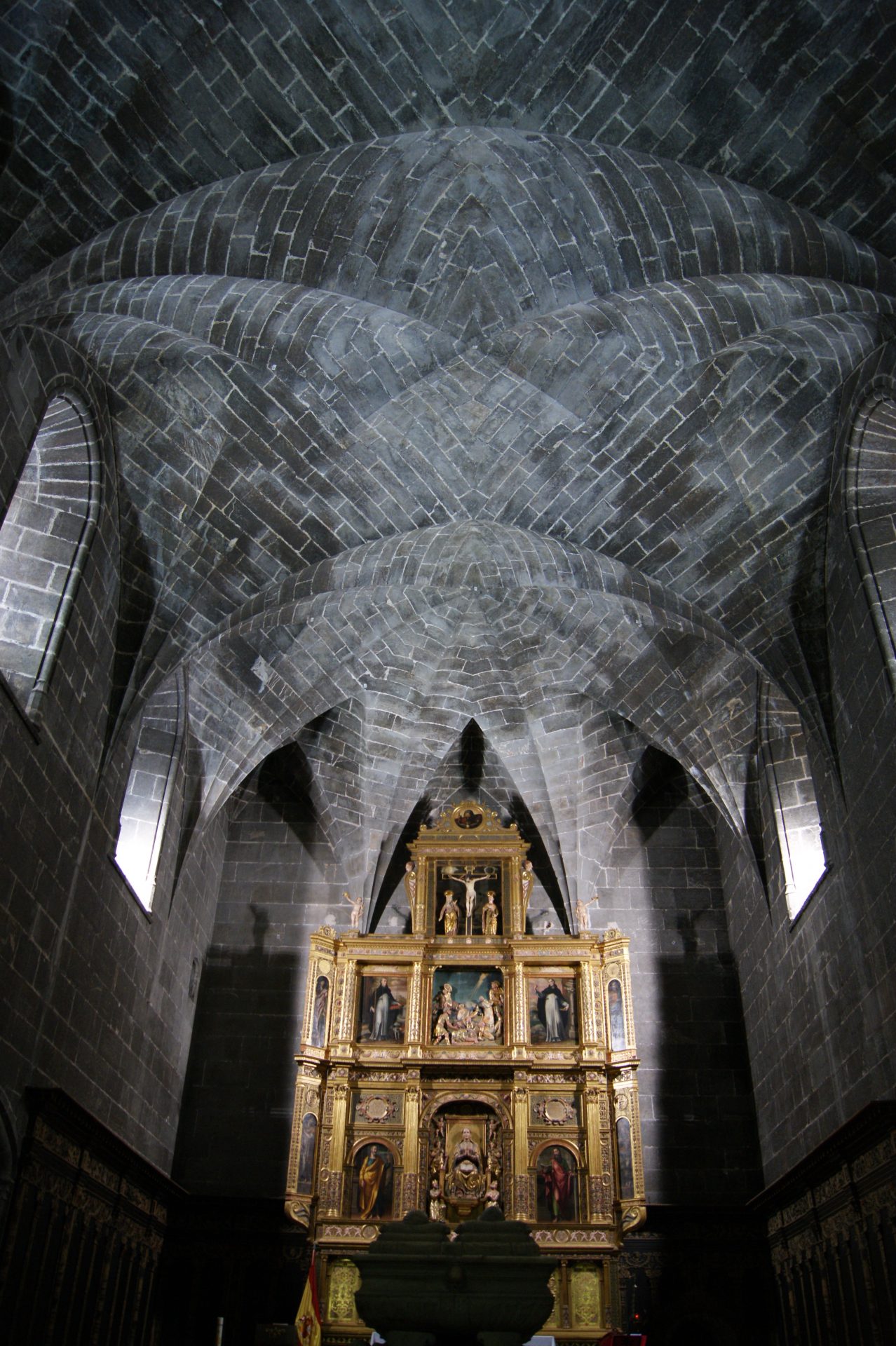
Royal Chapel of Convento de Santo Domingo
-
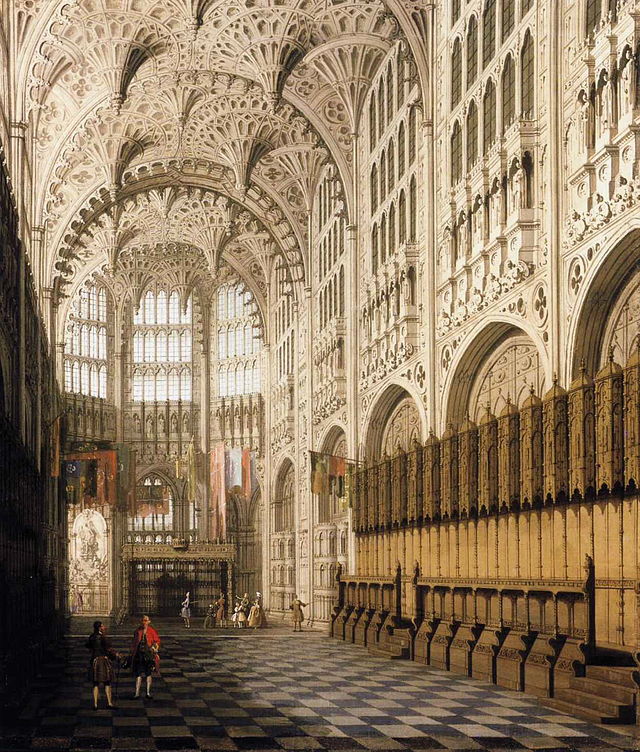
Henry VII Lady Chapel
-
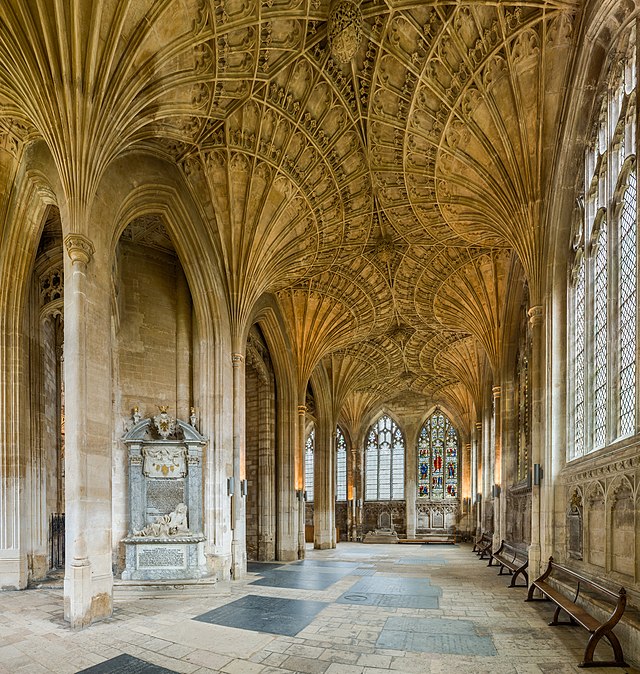
Peterborough Cathedral – Lady Chapel
-
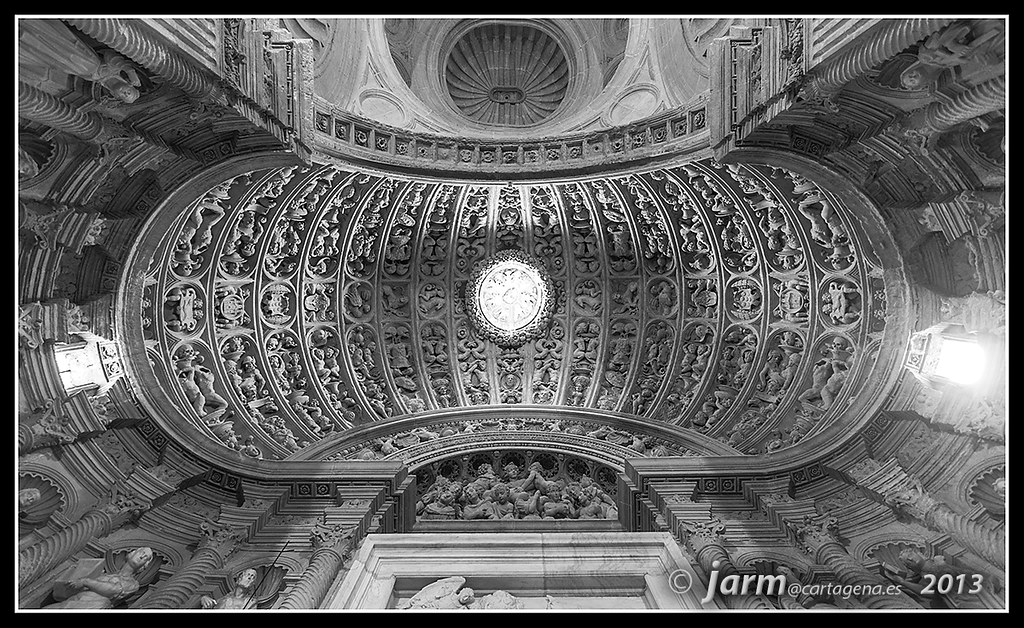
Capilla de Junterones
-
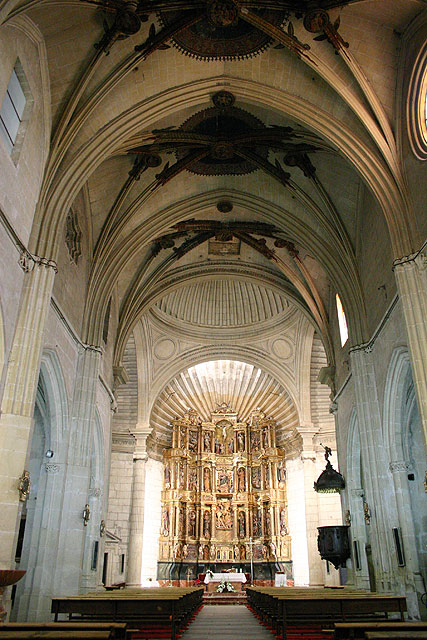
Jumilla
-
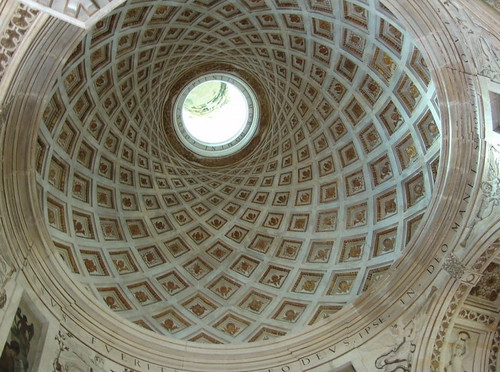
Chateau d’Anet Chapel Dome
-
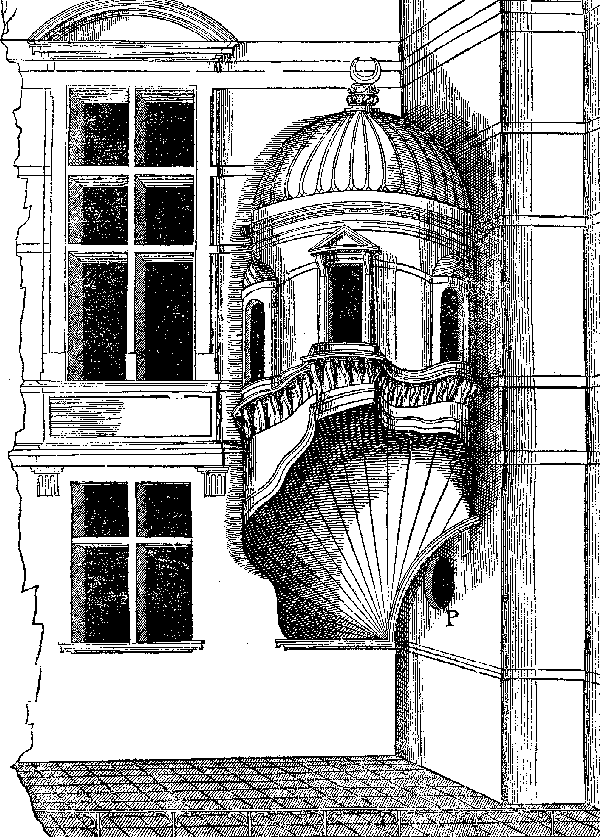
Chateau d’Anet Trompe
-
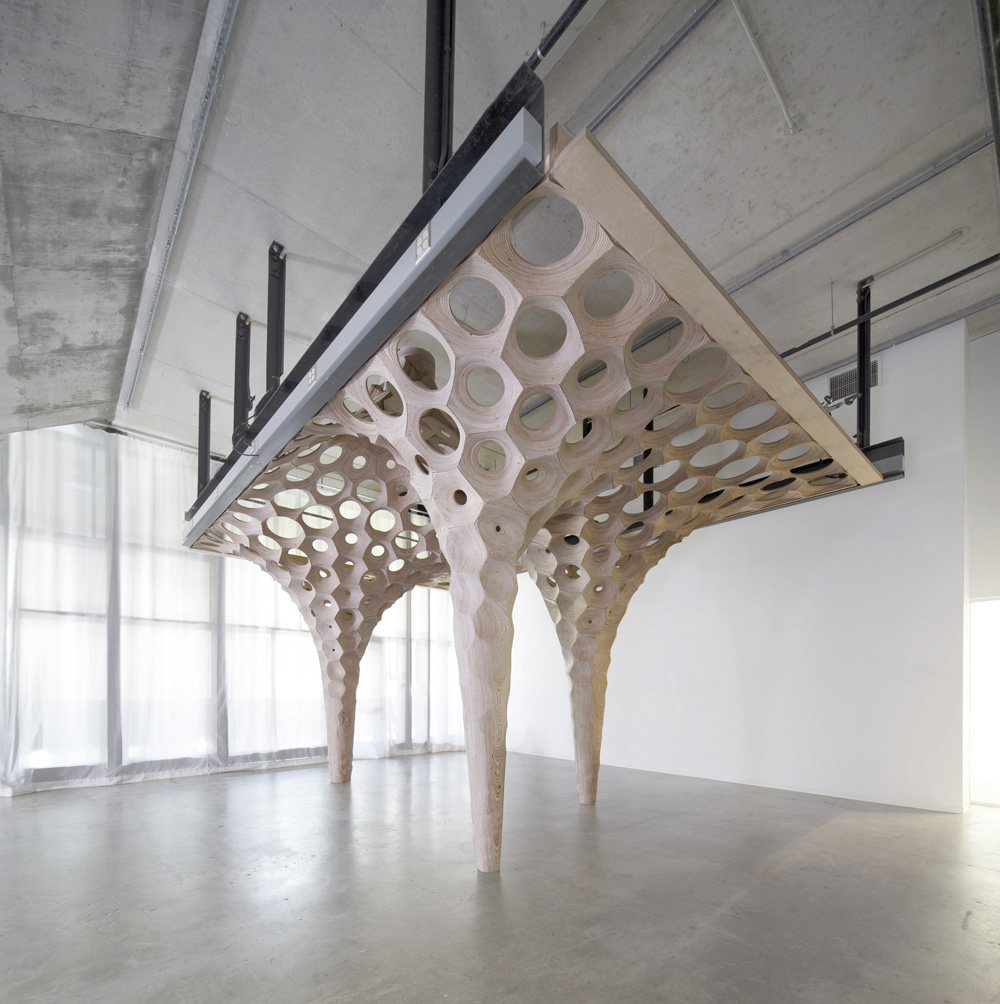
La Voûte de LeFevre
Image11:
-
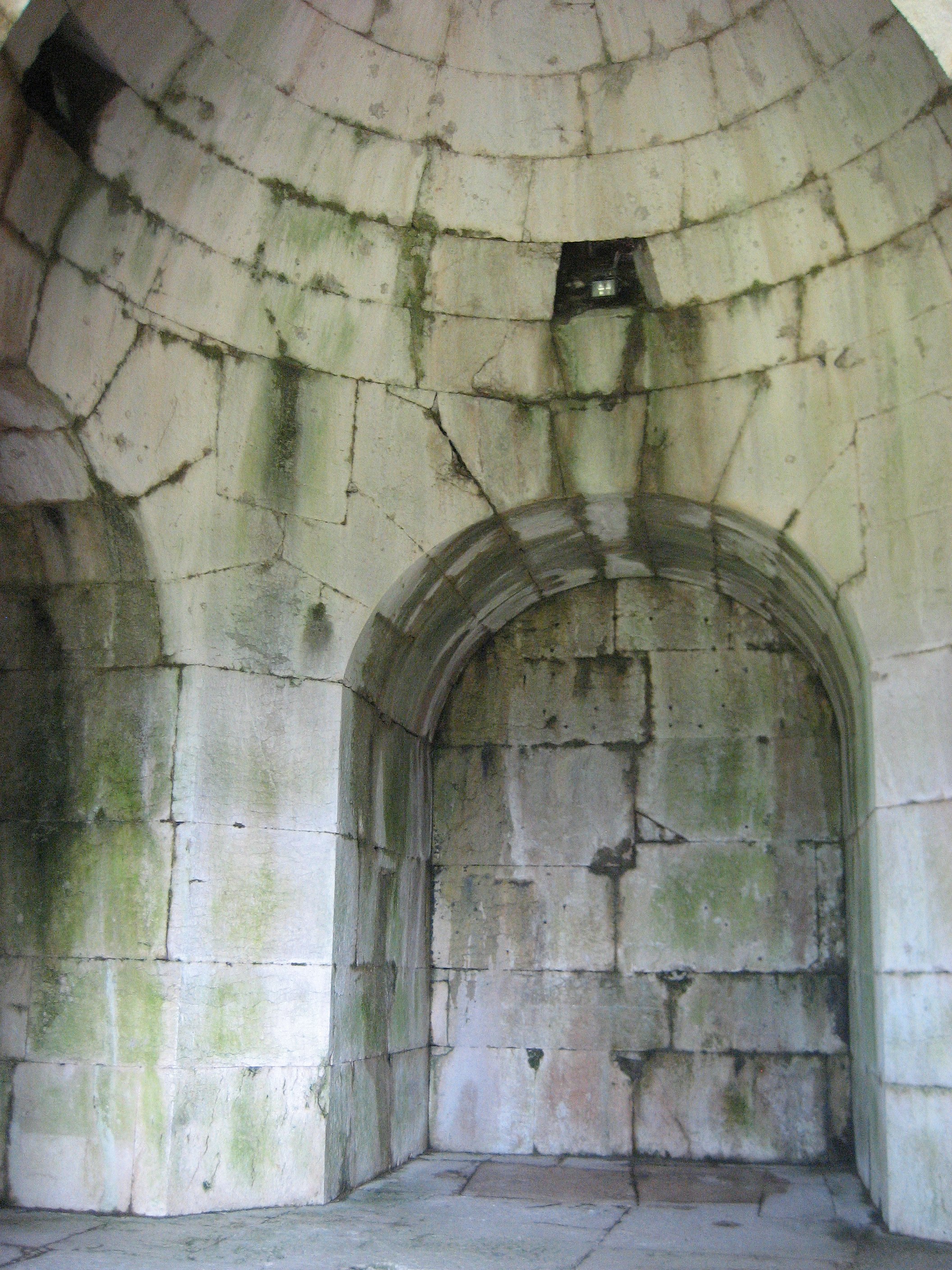
Tomb of Ummidia Quadratilla
Image11:
Facets:
Posted
by