Computational model
A computational model depends on a logic which needs to be implemented by the designer. Although it also uses the same tools within computerization, e.g., lines, surfaces, intersections, a computational model relates these entities through algorithms. These algorithms might implement a myriad of logics such as deduction, recursion, simulation or machine learning. These characteristics allow the designer to set up a logic of tessellation, for example, and write the procedure to obtain the surface division, or the three dimensional voussoirs. This procedure can be changed and tuned, and used in different scenarios, to obtain results with the same prerogatives. Another characteristic is the eventual emergence[1]which can generate unexpected solutions that fulfill the initial criteria.
[1] “A system exhibits emergence when there are coherent emergents at the macro–level that dynamically arise from the interactions between the parts at the micro–level. Such emergents are novel w.r.t. the individual parts of the system.” (De Wolf and Holvoet, 2004)
Works featuring this facet:
-
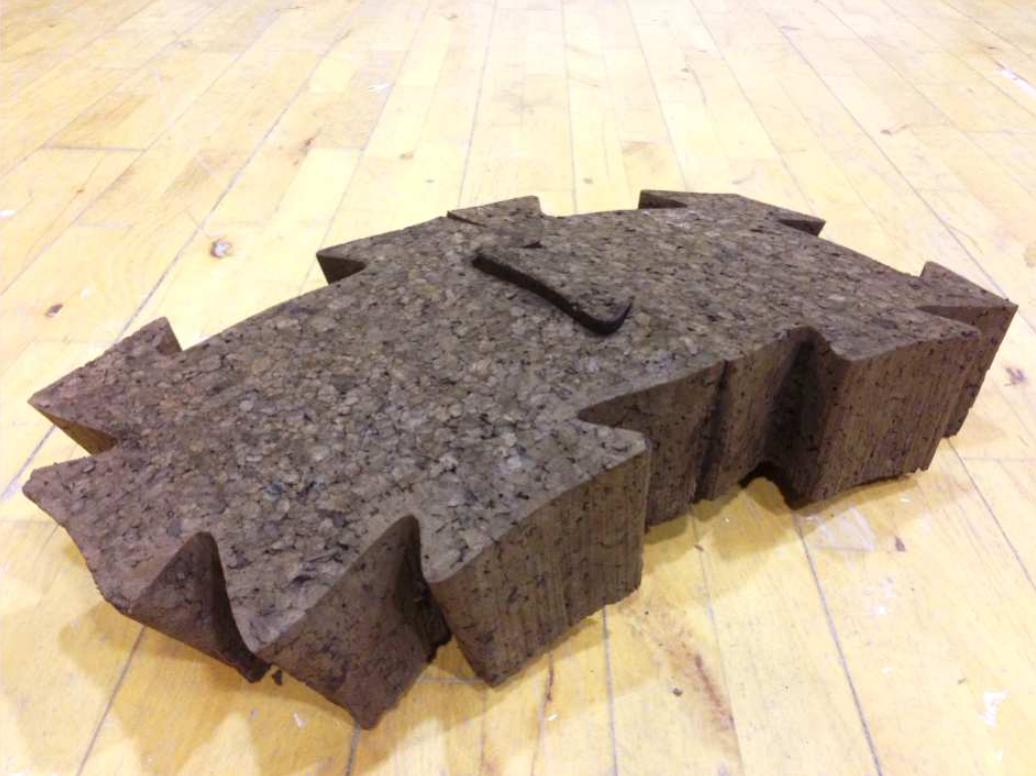
Puzzle Joints
-
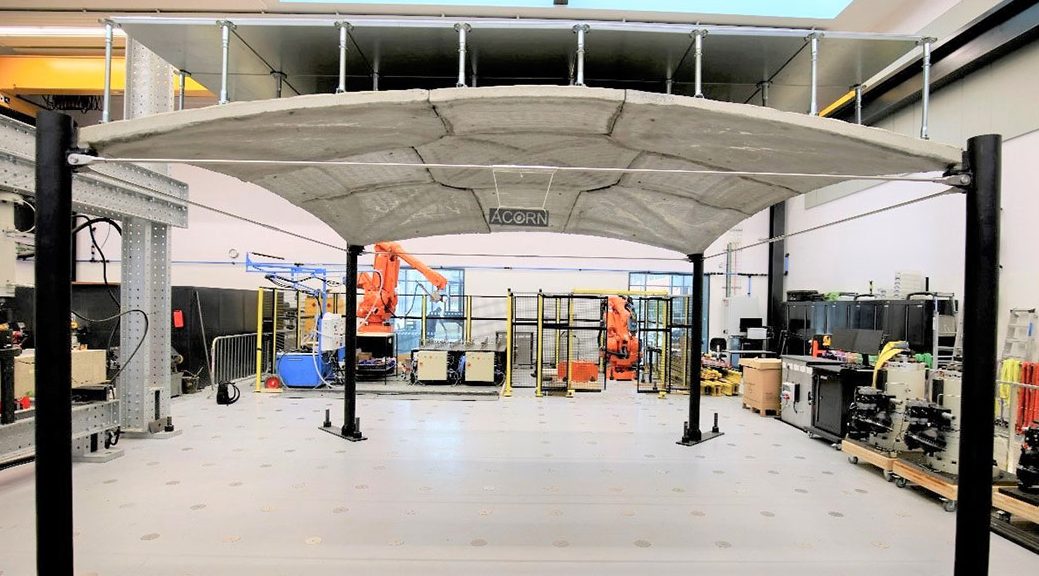
ACORN
-
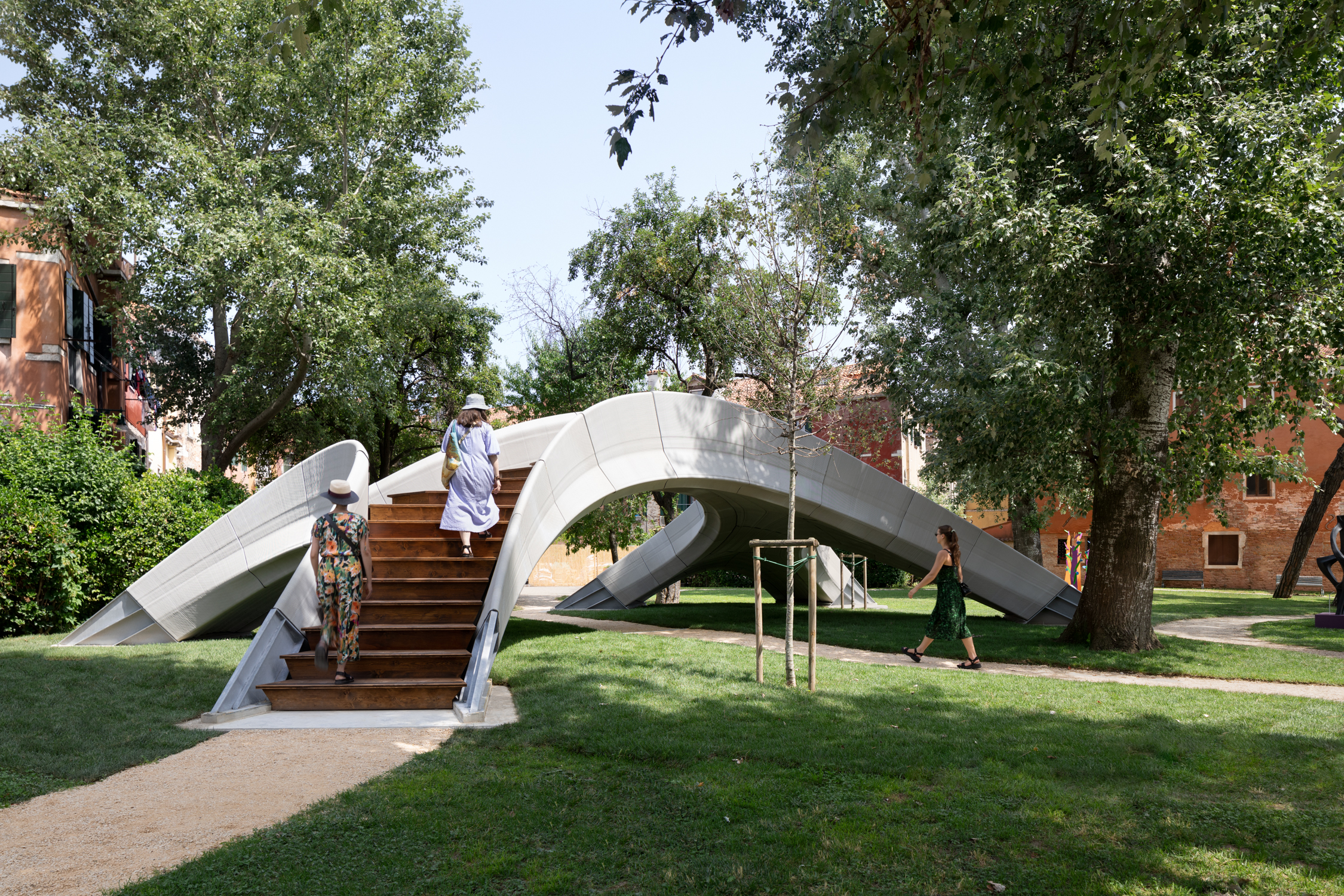
Striatus Bridge
-
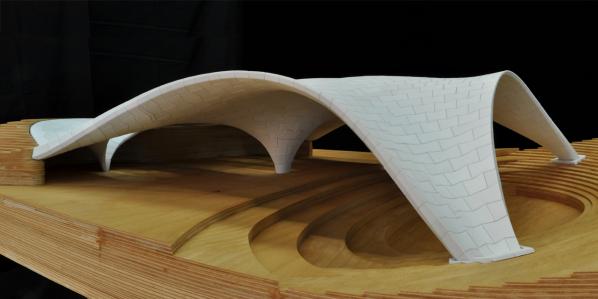
MLK Jr. Park Stone Vault
-

Armadillo Vault
-
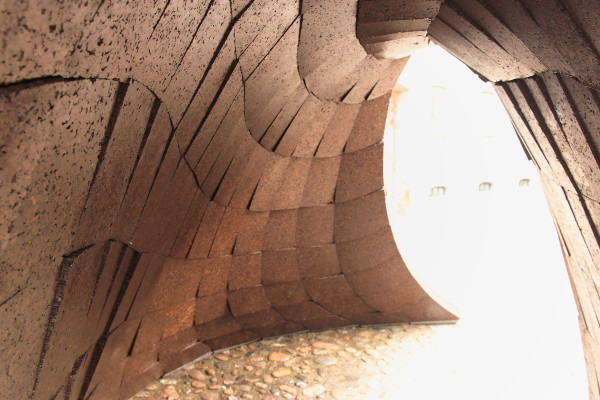
CorkVault Aarhus
-
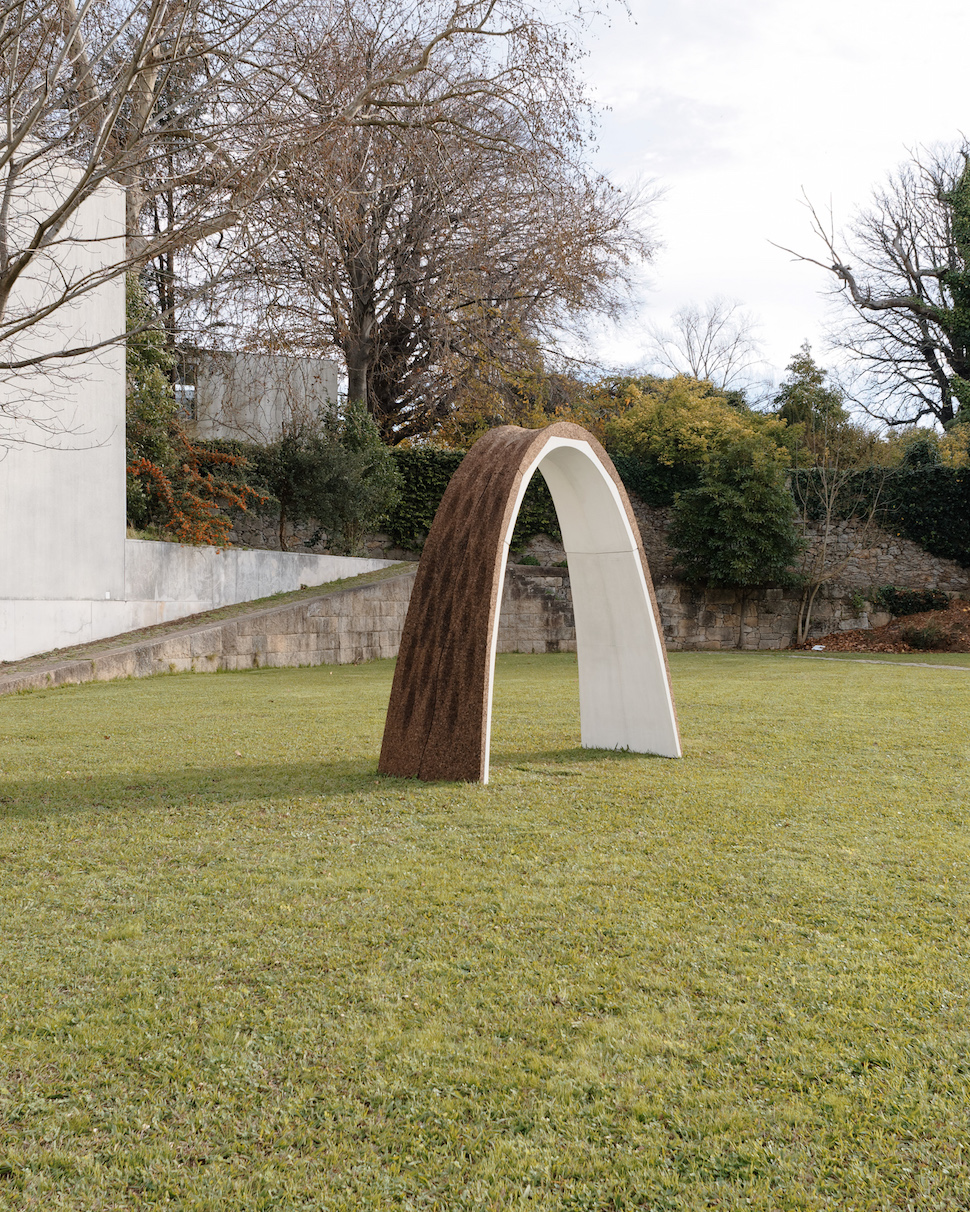
CorkCrete Arch
-
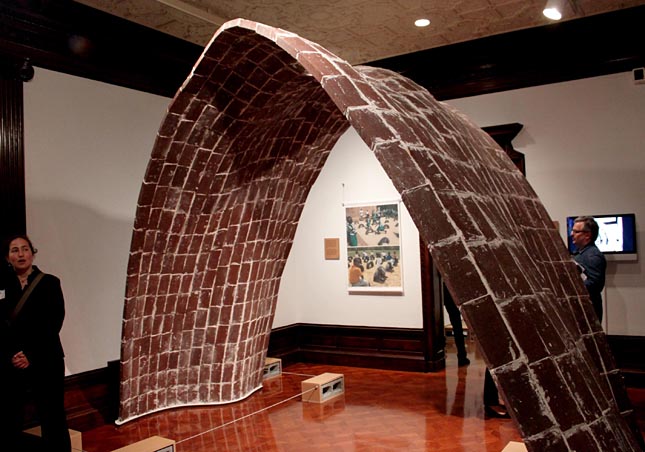
VAULT201
-
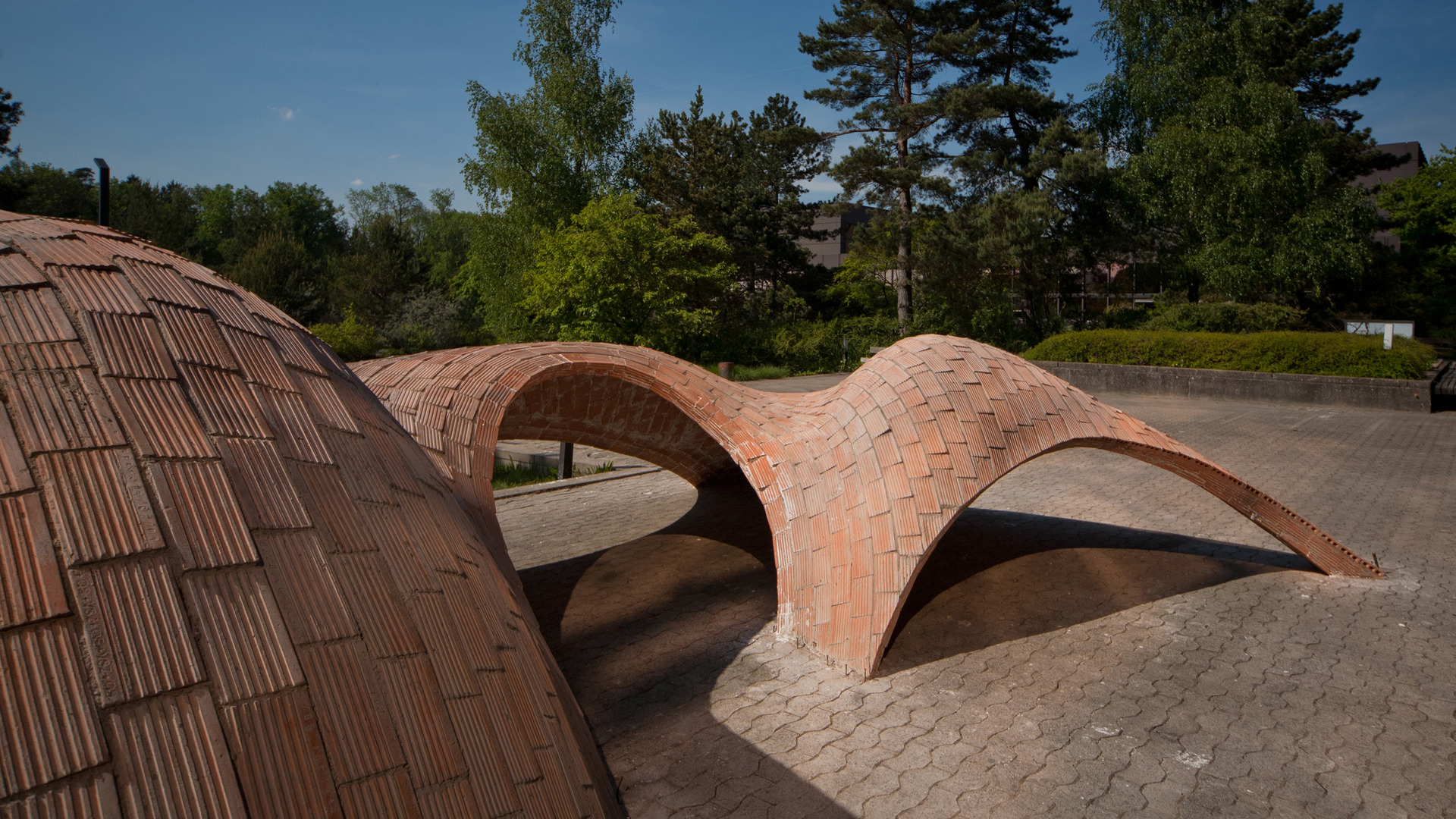
Freeform Timbrel Vault
-
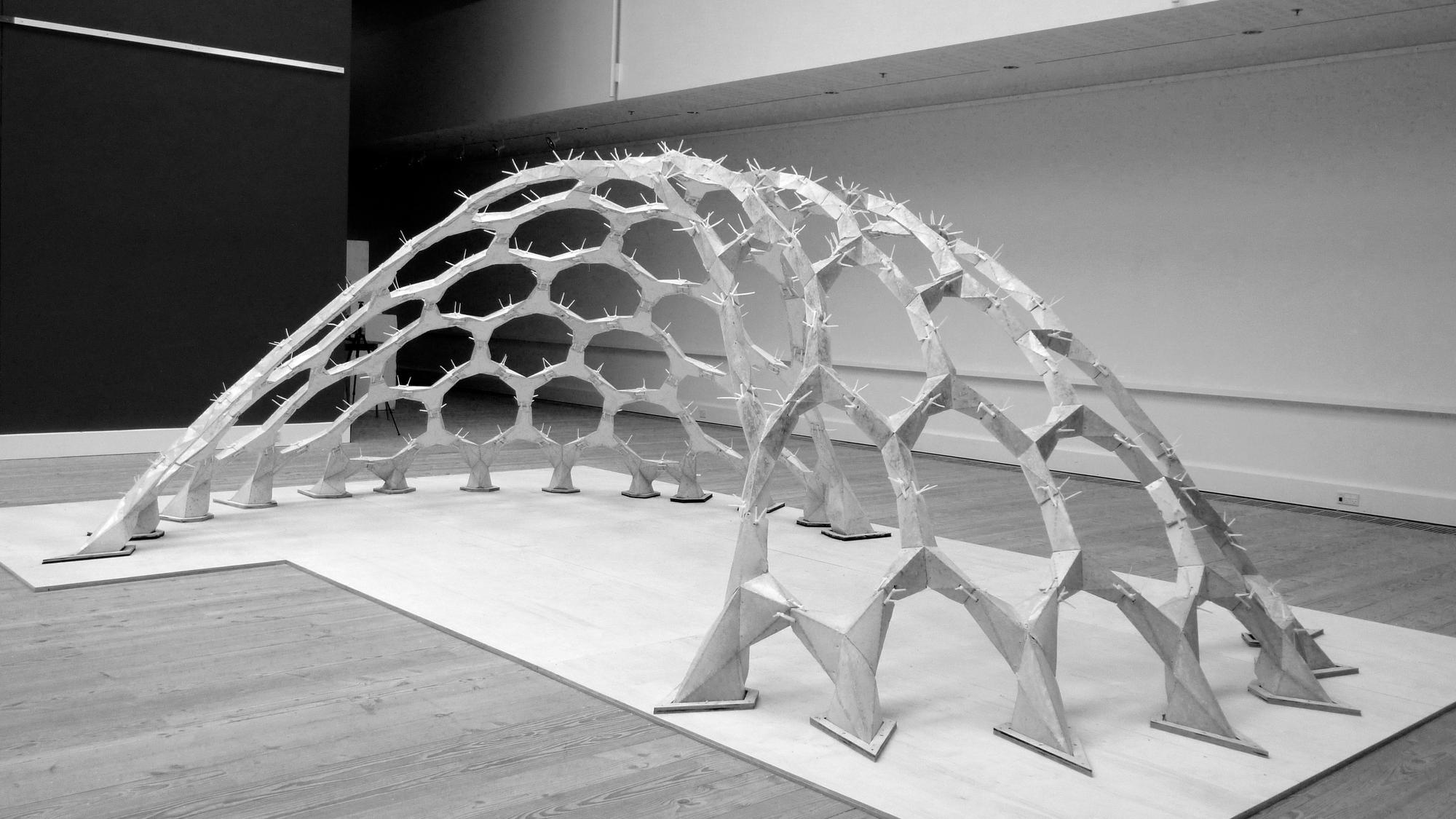
Pre: Vault
-
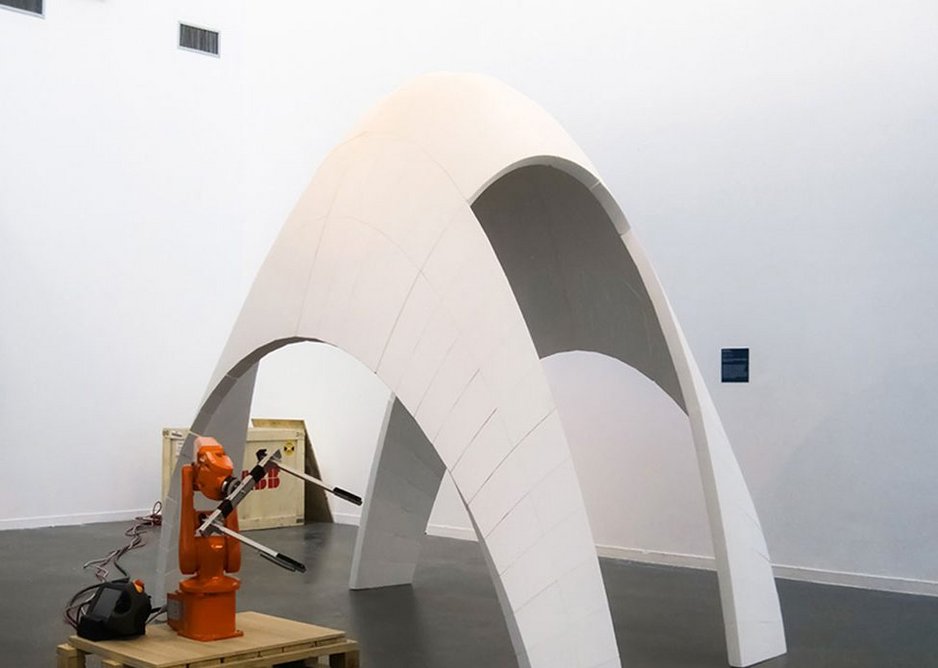
Automated FoamDome
-
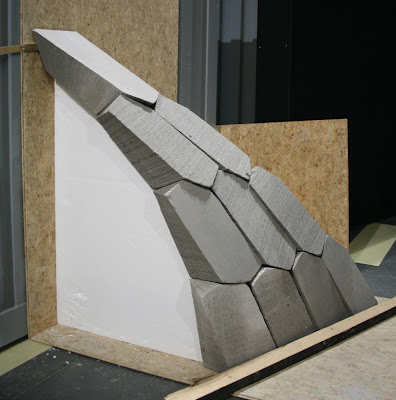
Diamond Wire Stone Cutting
-
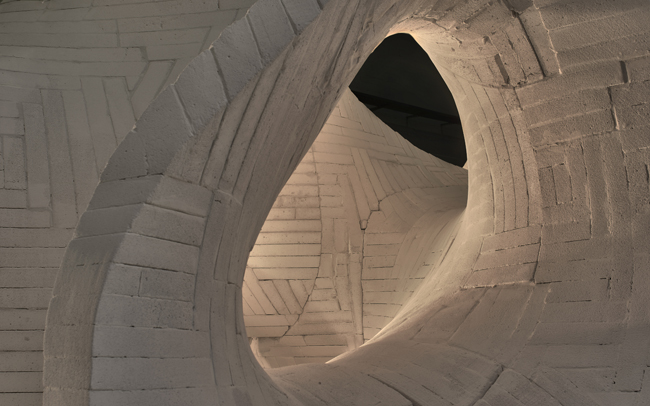
Brickolage
-
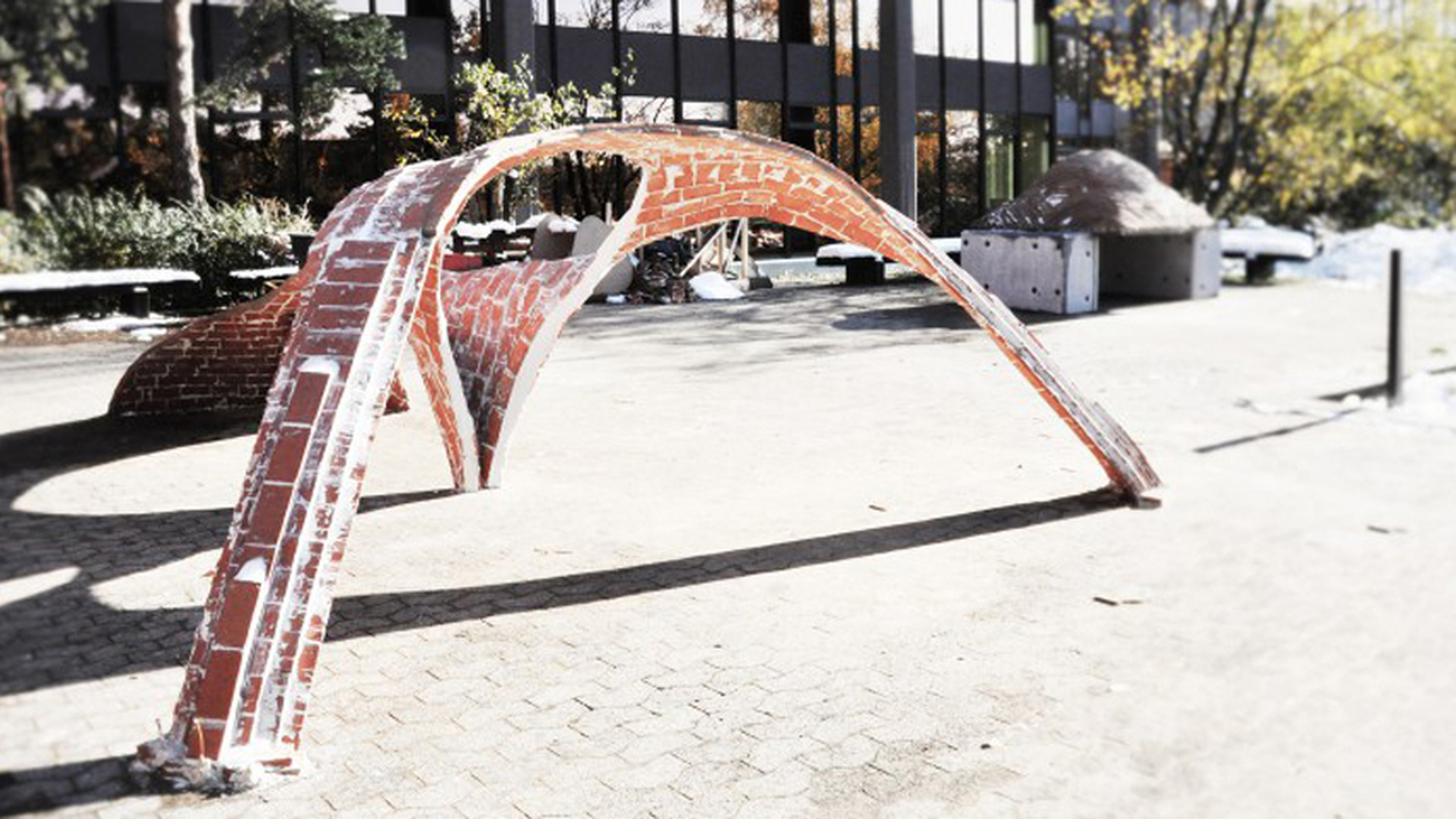
Brickworks: Masonry vaulting
-
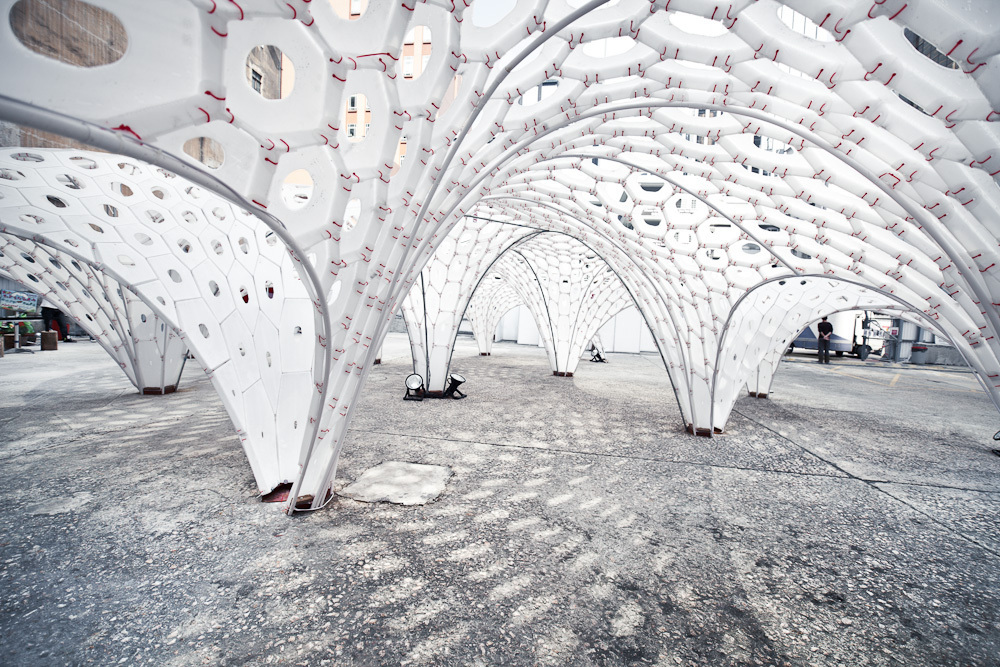
Shellstar Pavilion
-

Bóveda del Milenio
-
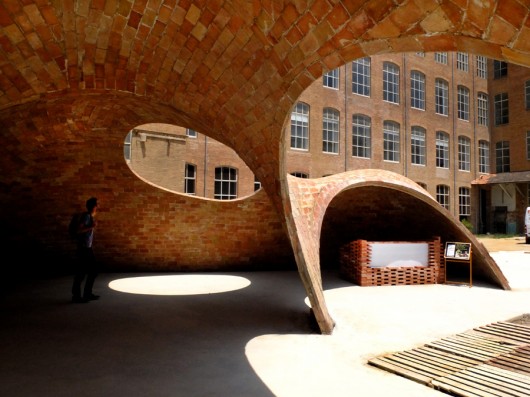
Bricktopia
-
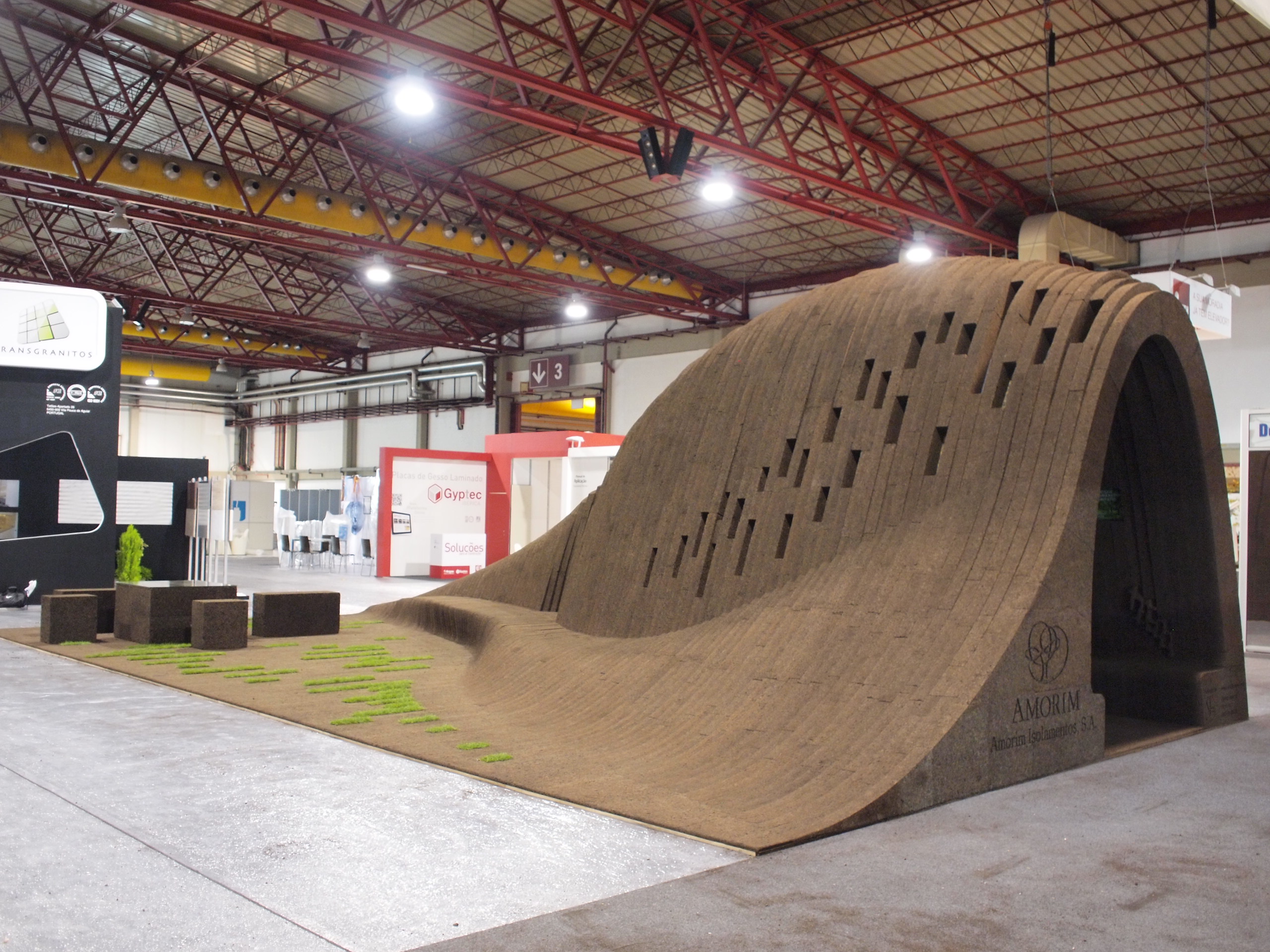
Cork vault Pavillion (Amorim)
-
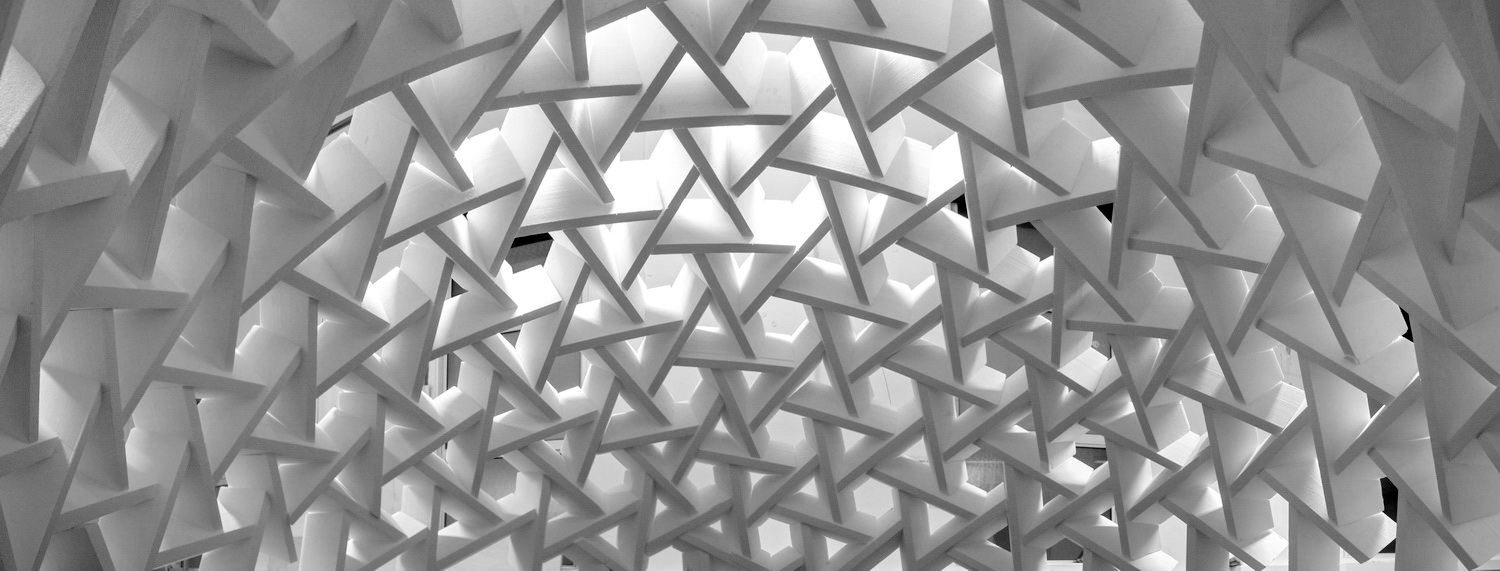
Nexorade and Reciprocal Structures
-
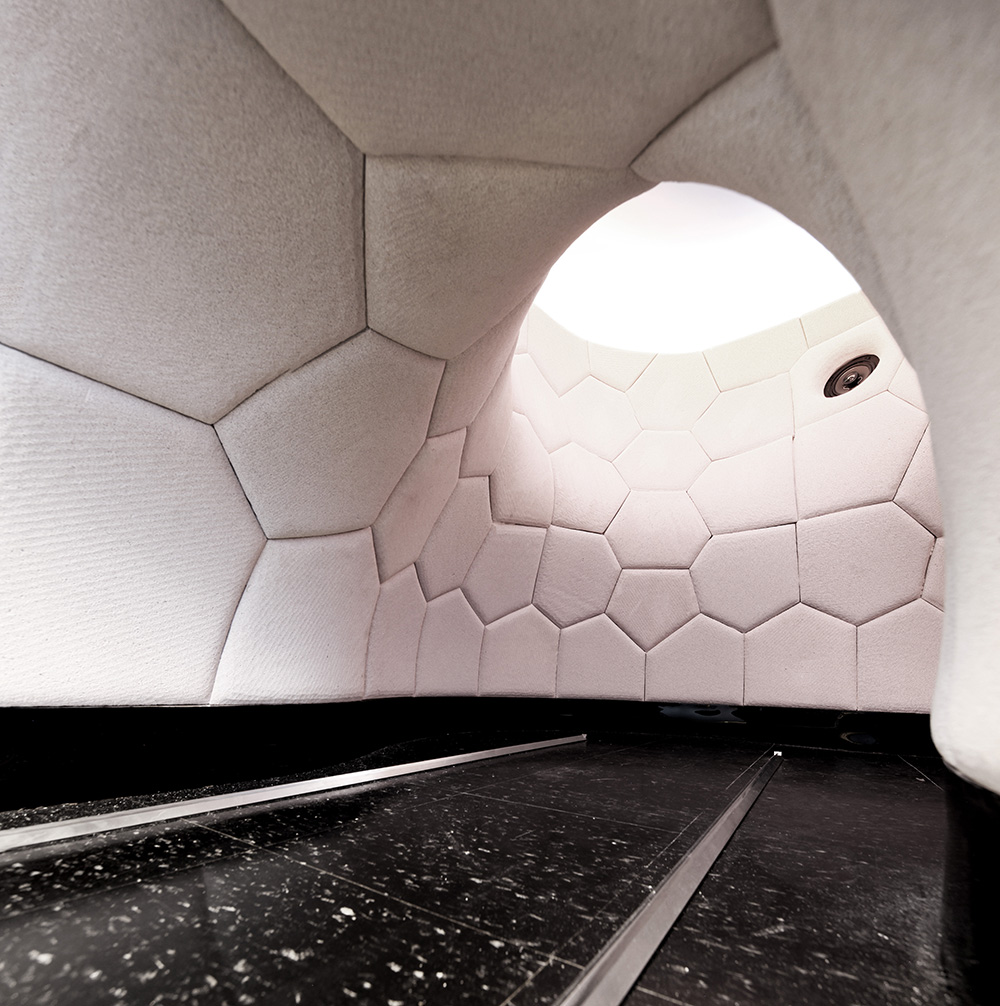
Round Room
-
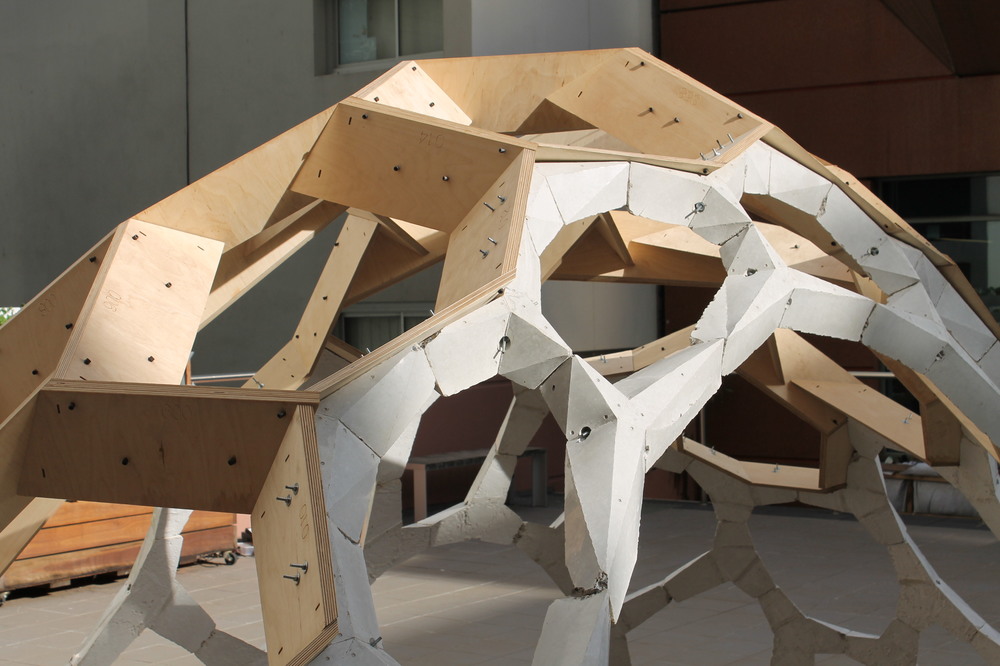
Utzon Forty
-
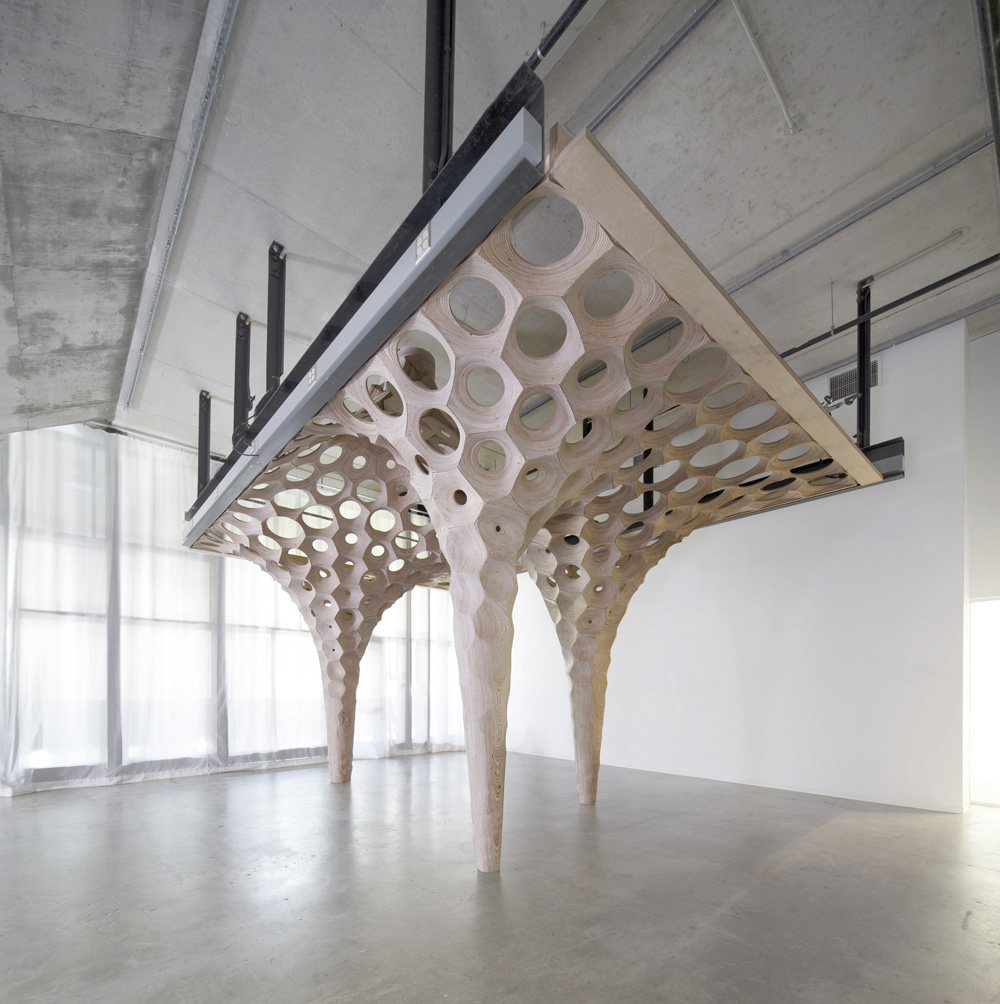
La Voûte de LeFevre
Image11:
Facets:
Posted
by